
prejudice

After Trayvon: The science of protecting innocent black men
Even though the death of Trayvon Martin drew much public attention in the last year and a half, the shooting of an unarmed, innocent black male is in no way an isolated case in America. Jonathan Ferrell, a 24-year-old African-American man in Florida, was recently killed by police officers when he...
Authored on
Does discrimination fit a prototype?
In this blog post, I discuss what information people use to decide whether a behavior constitutes discrimination. Similar to the way people organize categories and identify objects, I review research showing that people rely on prototypes when deciding what is and is not discrimination.
Authored on
Does it matter if people are aware of their implicit racial bias?
In this blog post, I discuss how people respond to information about their implicit racial bias—automatic attitudes and beliefs that favor one ethnic group over another. Although people can be defensive, emerging research suggests there are benefits to accepting implicit racial bias and being aware...
Authored on
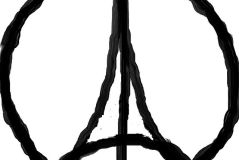
Empathy and prejudice after attacks in Paris and Beirut
In this blog, I will try to explain why we showed more empathy for victims in Paris than in Beirut, and how feelings of fear after such a terrorist attack can lead to prejudice against out-groups, especially against Muslims.
Authored on
Everyone is prejudiced, too
In this blog post, I will discuss new research in political psychology that is changing our understanding of what prejudice is, and who is prejudiced.
Authored on
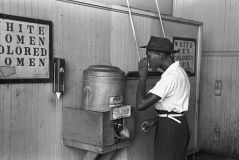
Intergroup Contact Theory: Past, Present, and Future
In the midst of racial segregation in the U.S.A and the ‘Jim Crow Laws’, Gordon Allport (1954) proposed one of the most important social psychological events of the 20th century, suggesting that contact between members of different groups (under certain conditions) can work to reduce prejudice and
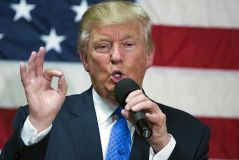
Invoking Pocahontas: An act of racism disguised as politics
At a recent event honoring Navajo Code Talkers who are World War II Veterans, President Donald Trump stated, "You were here long before any of us were here. Although we have a representative in Congress who they say was here a long time ago. They call her Pocahontas" [1] . This was not a first...
Authored on

Just a compliment? Why positive gender stereotypes can be more harmful than they seem
Most people would probably agree that “women can’t drive” is a sexist statement. But what about saying that “women are nurturing”? Isn’t that just a nice compliment? At first glance, these kinds of gender stereotypes often appear relatively harmless. In reality, they are anything but: seemingly
Political ideology is more than just “liberal” and “conservative”
In this blog post, I describe new evidence that thinking about political ideology on a single liberal/left to conservative/right spectrum masks important nuances in the origins of political ideologies and in the way that people apply those ideologies to important judgments, including those of other...
Authored on

The Double Edged Passion
Humans are passionate creatures. Our passions drive us, gives us a sense of belonging, and unite us as few other things can. Still, there are only a couple of passions that have been constants down the ages, passions that people from every place and culture can agree on. Love is one, but another is