• INT
  • DE
  • FR
  • IT
  • NL

User account menu

  • Log in
Home
  • Magazine
    • All issues
    • Glossary
  • Blog
    • All blog posts
  • Book Reviews
    • Book Reviews
  • Submit to In-Mind
    • Articles
    • Blog posts
  • About In-Mind
    • Team
    • What is In-Mind?
    • Credits

Magazine Issues

  • Issue 08/2026 - SpeciaI issue on artificial intelligence

    • Man using ChatGPT

      Benefits and risks of asking AI for health advice

      written by: Jaroslava Kaňková
    • AI in healthcare

      Doctor, meet AI: How AI systems influence human decision-making in healthcare

      written by: Julia Cecil, Selina Angerer, Eesha Kokje, Susanne Gaube, Anne-Kathrin Kleine, Eva Lermer
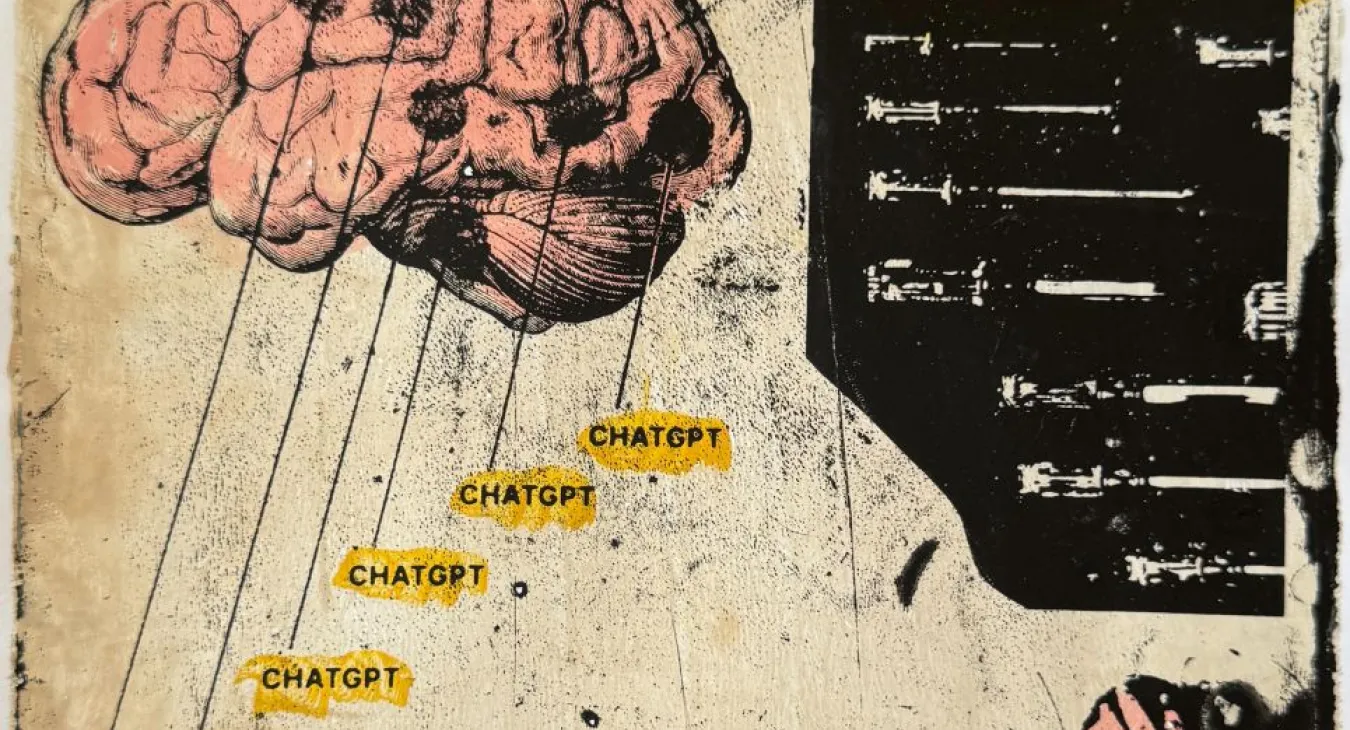
    • a brain with areas marked as responsible for chatGPT processing

      Editorial for the special issue "Artificial intelligence, real consequences: Exploring the psychological dimensions of AI"

      written by: Magdalena Wischnewski, Stella Wernicke
    • Why putting humans in the loop can make decision-making with AI worse

      written by: Tobias Rieger, Dietrich Manzey, Eileen Roesler, Linda Onnasch
    • Theory of Mind

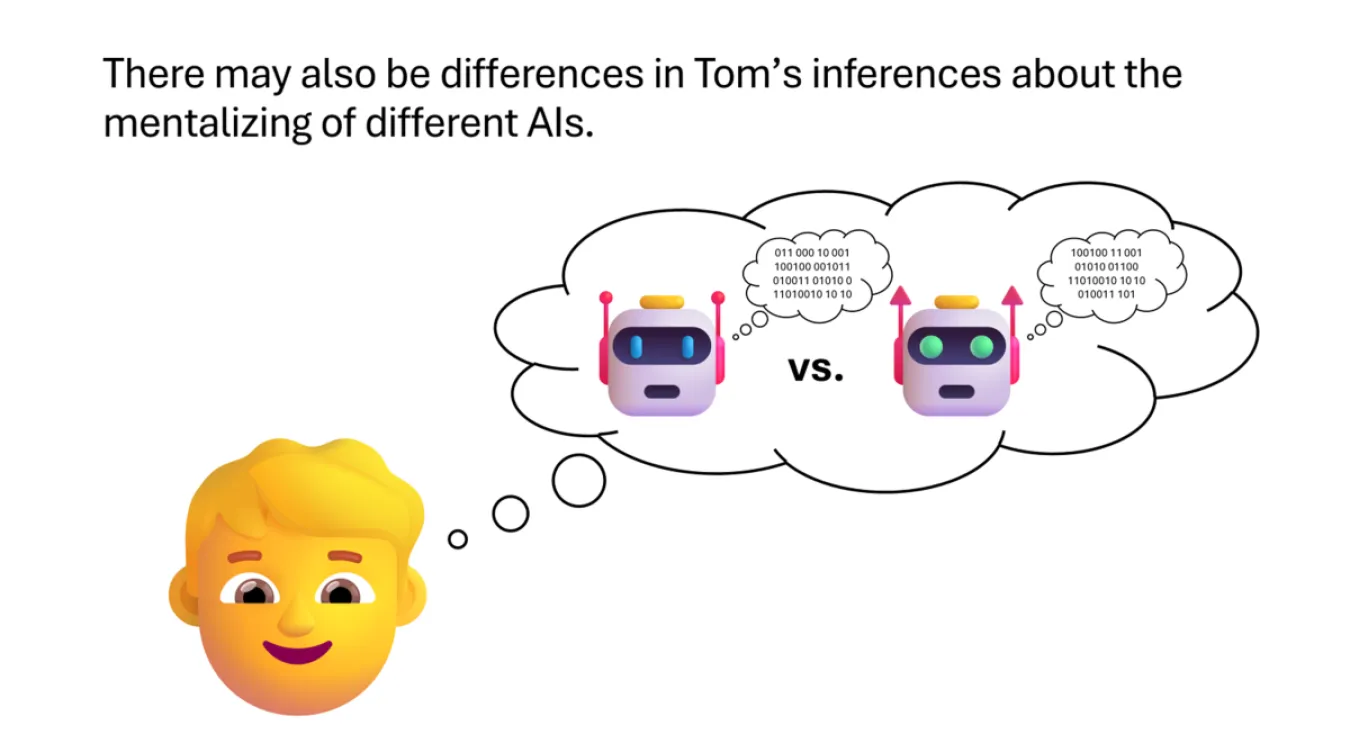
      How humans form beliefs about conversational AI

      written by: Tobias Rebholz
    • What AIs are made of

      Does ChatGPT think like humans?

      written by: Jannis Friedrich
    • AI-generated content may reflect gender stereotypes

      Blaming the biased bot? Gender bias in AI-generated content

      written by: Alexandra Wölfle
    • Digital price tags

      How artificial intelligence in supermarkets influences customer experiences

      written by: Sophia Wingen, Laura Schenk
    • Human oversight

      Human oversight of AI: An effective remedy for AI risks or a way to induce unwarranted trust in AI?

      written by: Markus Langer, Kevin Baum, Johann Laux
    • Understanding the mind-AI connection – how cognitive abilities shape AI use

      written by: Magnus Liebherr, Eva Gößwein
  • Issue 04/2026

    • Now is the time – A discussion on current sexual misconduct prevention and provider readiness

      written by: Julia L. Lancaster
    • Trapped by tranquility: Understanding dependence on benzodiazepines

      written by: Joana Mihani
  • Issue 03/2026

    • How do we interpret social situations marked by ambiguity?

      written by: Lisa Vos, Tom Smeets, Jonas Everaert
    • Children in front of a screen: what is the impact of technology on their development?

      written by: Marica Notte, Daniela Renzi
  • Issue 02/2026

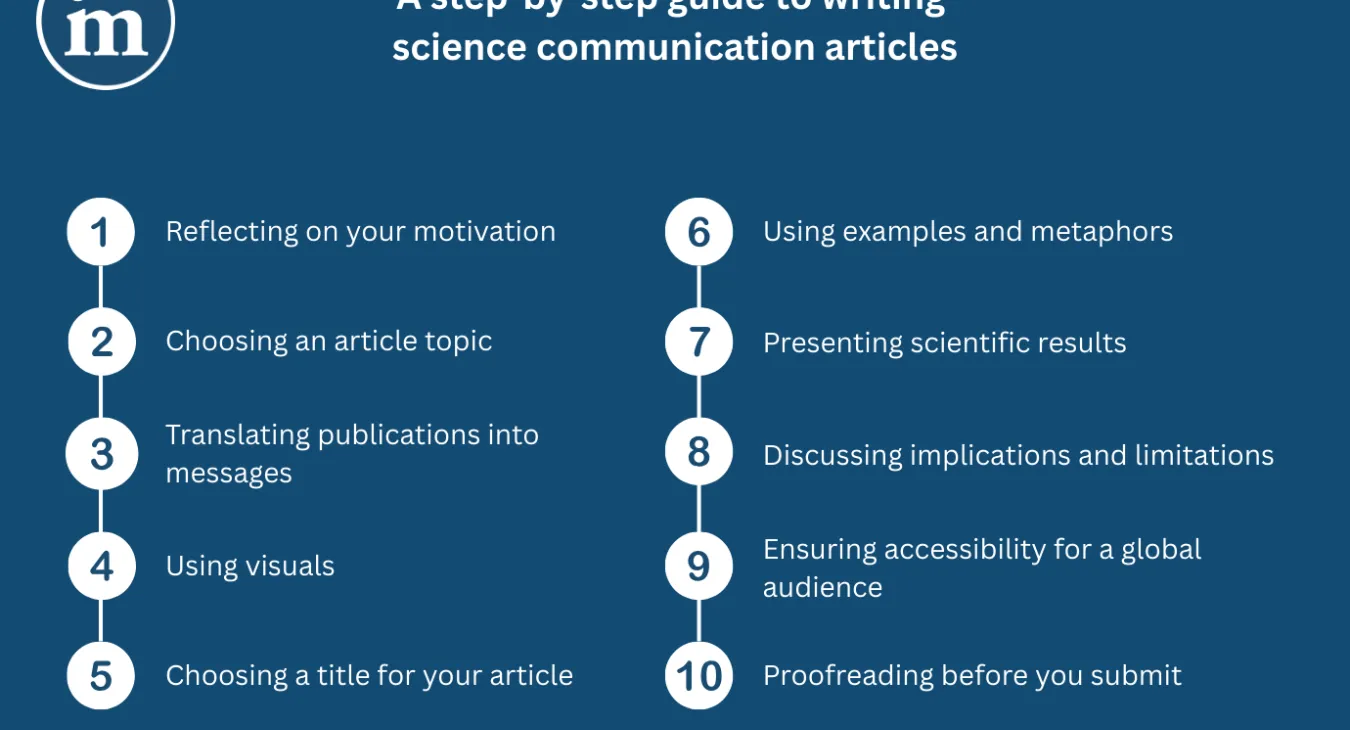
    • A step-by-step guide to writing science communication articles

      written by: Maike Ramrath, Stella Wernicke
    • When loving hurts: The pervasiveness of stigma towards consensual non-monogamy

      written by: Stefano Ciaffoni, Yasin Koc, Silvia Moscatelli
    • Scrolling through the past: How digital tools change the way we remember

      written by: Kate Schramm, Fabian Hutmacher
    • A spoonful of misinformation helps the medicine go viral. How misinformation spreads and who bears the consequences.

      written by: Lotte Slootmaekers, Sanne Houben, Irena Boskovic
  • Issue 01/2026

    • Between excellence and well-being: The case of academia

      written by: Silvia Filippi, Caterina Suitner
    • Goal achieved? The role of sexual goals in influencing women’s perceptions and attitudes in sexually objectifying relationships

      written by: Bianca Tallone, Gian Antonio Di Bernardo, Luca Andrighetto, Chiara Pecini
    • Bisexual invisibility: Perceptions of bisexual people and their representation in the media

      written by: Angelica Manzi, Fabio Fasoli, Alana Connor
    • Minority report: Fact or fiction? Can we actually predict violent behavior?

      written by: Petra Habets, Josanne van Dongen
  • Issue 12/2025

    • Diagnosed by AI – What our social media behavior reveals about our mental health

      written by: Stella Wernicke, Stefanie Peykarjou, Letitia Parcalabescu
    • The unbearable heaviness of having an appearance: How society teaches us to judge our bodies

      written by: Cristian Di Gesto, Amanda Nerini, Camilla Matera
  • Issue 11/2025

    • Self-care in the digital age: How we can handle social media in a healthy way

      written by: Marvin Holtwiesche, Mira Fauth-Bühler
    • Language models: A new perspective on language and cognition

      written by: Sam Boeve
    • Understanding anxiety, encouraging courage: What families should know about social anxiety

      written by: Nadine Vietmeier, Jasper Froehlich, Silas Rooß
  • Issue 10/2025

    • Starting early: How caregivers can support their children's emotion regulation

      written by: Katharina Demke, Mara Hüttner, Dr. Avelina Lovis Schmidt
  • Issue 09/2025

    • Internet, dating, addiction: A match made in heaven

      written by: Marina F. Thomas, Sylvia Dörfler, Gloria Mittmann, Verena Steiner-Hofbauer
    • Digital moral distortion: How social media can negatively shape our judgement of right and wrong

      written by: Tim-Dorian Knöchel, Sarah Vahed
    • The viral power of migrant crime messaging: Fear, emotion, and algorithms

      written by: Mary Ortega
    • Dressed for the feed: The psychology of fashion in a filtered world

      written by: Paola D'Elia
    • Covert control: How political elites and influencers use manipulation on social media

      written by: Meredith M. Turner, Sara Holland Levin
    • Scrolling against hate: Developing critical media competence to counter online antisemitism

      written by: Agata Maria Kraj, Özen Odağ, Larisa Buhin, Jannis Niedick, Justine Kohl
    • Social media use towards self-diagnosing and health anxiety

      written by: Lili R. Romann
    • FOMO: The fun everybody else has

      written by: Carolin Lehmann
    • Viral and harmful: Violence in media and its impact on empathy

      written by: Mira Fauth-Bühler
  • Load more issues

Menu

  • Magazine
  • Blog
  • Book Reviews
  • Submit to In-Mind
  • About In-Mind
  • facebook
  • twitter
  • instagram
  • print
  • RSS Feed

About Us

In-Mind is a voluntary science communication project. We enable scientifically working psychologists to present their research topics in a scientifically sound, understandable and entertaining way for an interested audience: Psychology by scientists for everyone....more

Footer menu

  • Imprint
  • Data Protection
Clear keys input element