
  • INT
  • DE
  • FR
  • IT
  • NL

User account menu

  • Log in
Home
  • Magazine
    • All issues
    • Glossary
  • Blog
    • All blog posts
  • Submit to In-Mind
    • Articles
    • Blog posts
  • About In-Mind
    • Team
    • What is In-Mind?
    • Credits

The InMind Blog

  • Join the In-Mind's Social Media team: Help us make psychology accessible to everyone!
    10.07.2026 | Announcements and News

    Join the In-Mind's Social Media team: Help us make psychology accessible to everyone!

    written by: Rinat Meerson, Stella Wernicke, Jana Dreston
    We are looking for 2-3 new team members to join our LinkedIn team. Are you passionate about social media and communicating psychological research to a broad audience? Then we'd love to hear from you! more
  • 04.06.2014 | Romance & Friendship

    Learning from our dreams

    written by: Dylan Selterman
    In this post, I describe how dreams are associated with people’s behavior after waking up, especially in the context of their close relationships. Have you ever felt upset at someone after what they did in your dream? There are several theories to explain how and why this happens, along with some references to Friends and The Matrix. more
  • 02.06.2014 | Meaning Making

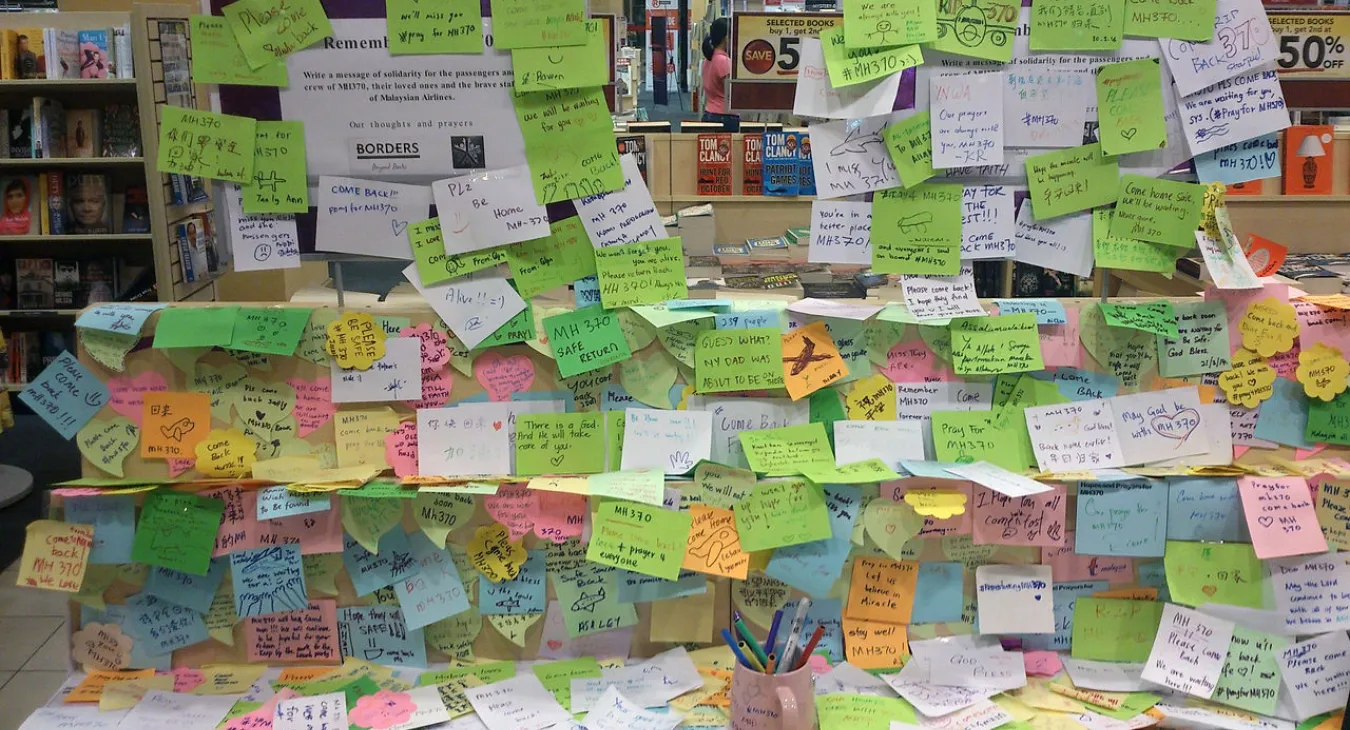
    Only searching for a plane? What the disappearance of Flight MH 370 reveals about the human need for meaning and certainty

    written by: Aaron Moss
    In this post, I describe how two core motives of human social behavior—the need for understanding and the need for control—shape people’s responses to disaster. Using the disappearance of Malaysian Airlines Flight 370 as an example, I describe how people seek to maintain meaning (related to understanding) and to re-establish certainty (related to control) after unforeseen disasters. more
  • 30.05.2014 | Violence & Aggression

    Coping with being bullied

    written by: Matt Newman
    In this blog post, I discuss recent research suggesting that being the victim of bullying can have a long-lasting impact on mental and physical health. But there’s a ray of hope in this literature as well: the lasting impact may depend on the ways that victims cope with being bullied. more
  • 28.05.2014 | Political Psychology

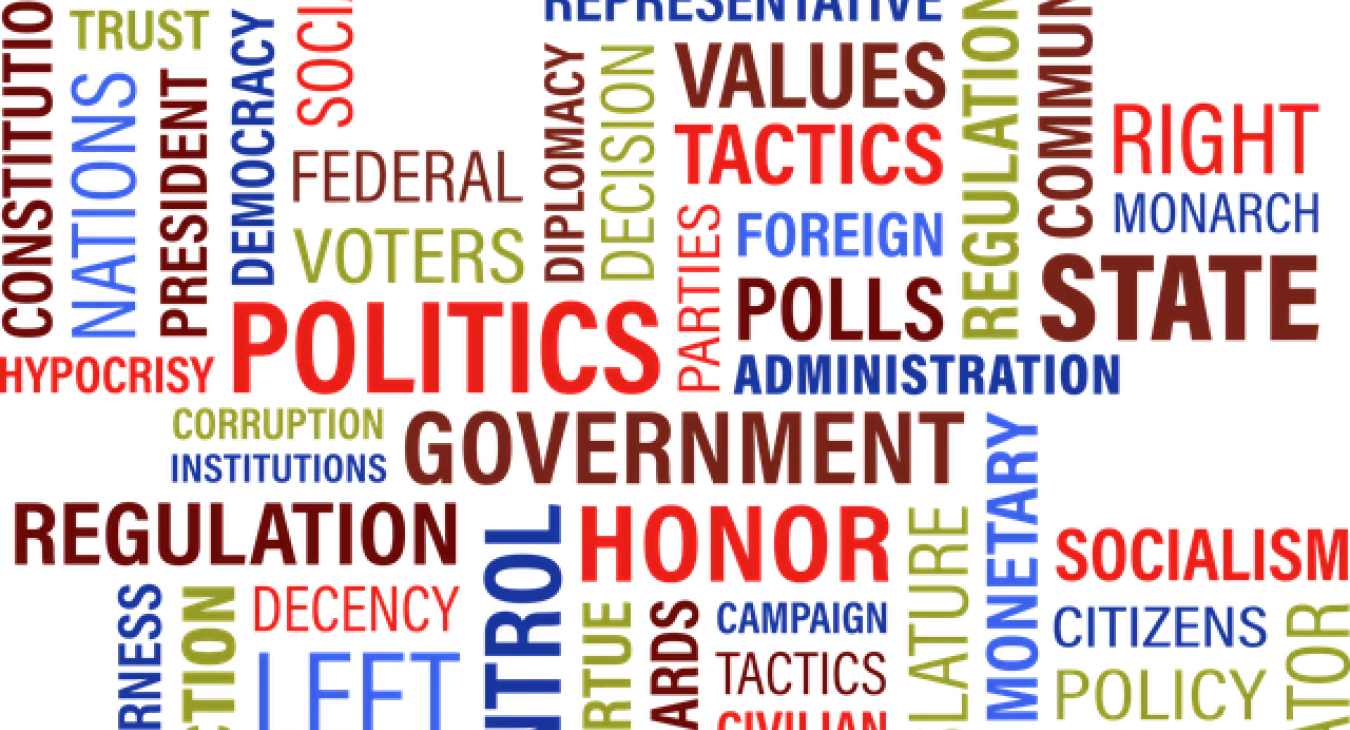
    Political ideology is more than just “liberal” and “conservative”

    written by: Jarret Crawford
    In this blog post, I describe new evidence that thinking about political ideology on a single liberal/left to conservative/right spectrum masks important nuances in the origins of political ideologies and in the way that people apply those ideologies to important judgments, including those of other people (i.e., prejudice). more
  • 13.05.2014 | Social Influence & Negotiations

    Would One Direction be as popular if we got to re-run the world?

    written by: Ase Innes-Ker
    In this post I ask why do songs, movies and books become popular? If you love something, it is easy to think it must be its obvious qualities, but if you work in promotion, you know that these qualities are not easy to spot. Usually, we look to our peers to discover new things – what Psychologists call social proof. The work I present shows how important social proof is in determining what becomes popular, but also that appeal, to some degree, matters. more
  • 05.05.2014 | Culture

    Can music create intercultural understanding? According to Madonna (and psychological research), it can!

    written by: Marieke van Egmond
    In my last blog, I argued that Madonna’s lyric of ‘music makes the people come together’ has a scientific basis. There are scientific studies that support the claim that music indeed increases cooperation and, thus, brings people together. But, as you might remember, the second line in the chorus of Madonna’s song is: ‘Music mix the bourgeoisie and the rebel’. In this blog, I will discuss whether she is citing the literature correctly or not. more
  • load more blog posts

Menu

  • Magazine
  • Blog
  • Submit to In-Mind
  • About In-Mind
  • facebook
  • twitter
  • instagram
  • print
  • RSS Feed

About Us

In-Mind is a voluntary science communication project. We enable scientifically working psychologists to present their research topics in a scientifically sound, understandable and entertaining way for an interested audience: Psychology by scientists for everyone....more

Footer menu

  • Imprint
  • Data Protection
Clear keys input element