

  • INT
  • DE
  • FR
  • IT
  • NL

User account menu

  • Log in
Home
  • Magazine
    • All issues
    • Glossary
  • Blog
    • All blog posts
  • Submit to In-Mind
    • Articles
    • Blog posts
  • About In-Mind
    • Team
    • What is In-Mind?
    • Credits

The InMind Blog

  • Join the In-Mind's Social Media team: Help us make psychology accessible to everyone!
    10.07.2026 | Announcements and News

    Join the In-Mind's Social Media team: Help us make psychology accessible to everyone!

    written by: Rinat Meerson, Stella Wernicke, Jana Dreston
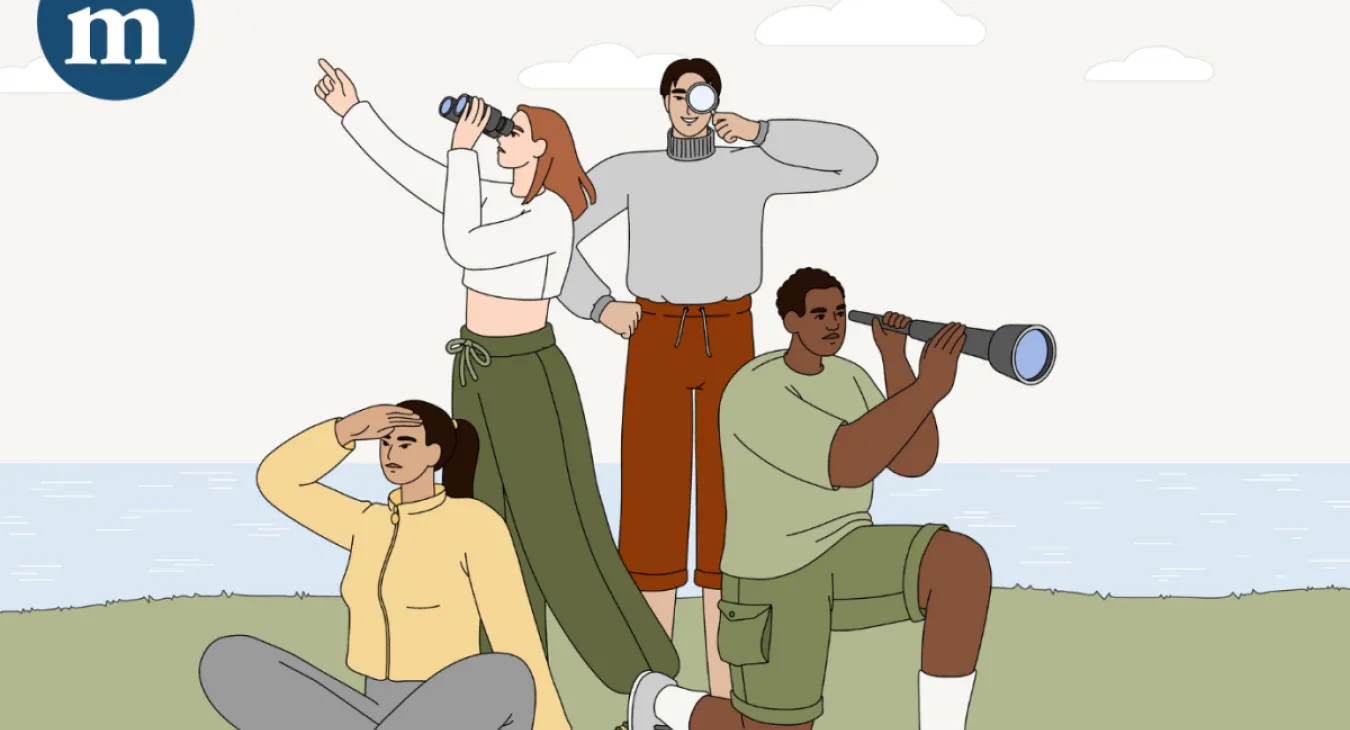
    We are looking for 2-3 new team members to join our LinkedIn team. Are you passionate about social media and communicating psychological research to a broad audience? Then we'd love to hear from you! more
  • 10.03.2014 | Political Psychology

    Being rational and emotional are not (necessarily) contradictions

    written by: Mark Brandt
    In the first part of this three part series, my colleague Ellie Shockley described how rational thinking may drive political attitudes and voting behavior. In the second part of the series, Matt Moytl described how emotion may drive political attitudes and voting behavior. In the final part of this series, I discuss how emotions and reasons are not necessarily in conflict. more
  • 07.03.2014 | Meaning Making

    CEO’s, morality, and minds: How good and bad guide our perceptions of others

    written by: Andrew Monroe
    Morality colors the way we view the world, but how it influences our judgments of others is a controversial debate. One popular view is that morality biases people’s perceptions of others—specifically others’ intentions. I suggest that this view is incorrect. Instead, valence, not morality, guides perception, and it does so in a way that may be adaptive. more
  • 01.03.2014 | Political Psychology

    Political convictions emerge from the gut

    written by: Matt Motyl
    In the first part of this three part series, my colleague Ellie Shockley described how rational thinking may drive political attitudes and voting behavior. In this second part of the series, I describe how emotion may drive political attitudes and voting behavior. In the final part of this series, Mark Brandt will discuss how emotion and reason each contribute to people’s political attitudes and behaviors. more
  • 27.02.2014 | Violence & Aggression

    Fifty Shades of arousal misattribution and cognitive associations: How Christian Grey is making us believe that women find BDSM “hot”

    written by: Kathryn Bartlett Anderson
    Does Fifty Shades of Grey make you wonder if BDSM is arousing? If women secretly want to be spanked? This post explains how Fifty Shades readers may develop this belief, how it may affect their behavior, and how it may increase sexual aggression against women. more
  • 24.02.2014 | Political Psychology

    Are voters rational?

    written by: Ellie Shockley
    Are voters rational? As a part of a three-part series on the subject of voter rationality, my colleagues Matt Motyl, Mark Brandt, and I will discuss some theories and research dealing with voters’ attitudes and behaviors. We hope you will stay a part of the conversation with us! more
  • 20.02.2014 | Political Psychology

    Everyone is prejudiced, too

    written by: Jarret Crawford
    In this blog post, I will discuss new research in political psychology that is changing our understanding of what prejudice is, and who is prejudiced. more
  • load more blog posts

Menu

  • Magazine
  • Blog
  • Submit to In-Mind
  • About In-Mind
  • facebook
  • twitter
  • instagram
  • print
  • RSS Feed

About Us

In-Mind is a voluntary science communication project. We enable scientifically working psychologists to present their research topics in a scientifically sound, understandable and entertaining way for an interested audience: Psychology by scientists for everyone....more

Footer menu

  • Imprint
  • Data Protection
Clear keys input element