
morality

Being rational and emotional are not (necessarily) contradictions
In the first part of this three part series, my colleague Ellie Shockley described how rational thinking may drive political attitudes and voting behavior. In the second part of the series, Matt Moytl described how emotion may drive political attitudes and voting behavior. In the final part of this...
Authored on
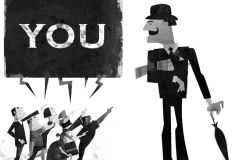
Blame. What is it good for?
Is blame for retribution and revenge? Or is blame for managing others’ behavior? I argue that while the former answer is dominant in social psychology, it predicts a dysfunctional system of blame that explains only a small portion of why people blame. Instead, I suggest that blame is better...
Authored on
Complementing Individualism with The Social Identity Approach
Have you ever thought about where your strong moral convictions (if any) come from? For example, let`s assume you feel strongly about the sacredness of the Qur’an, and feel outraged when someone mocks your Holy Book. Or, alternatively, you feel strongly about freedom of speech, and hence feel
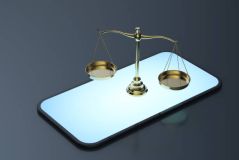
Digital moral distortion: How social media can negatively shape our judgement of right and wrong
Social media is far more than a tool for communication, it is a digital social environment at scale. Unlike any other space before it, social media platforms expose us to the judgements of others. From expressions of admiration to condemnation, we are immersed in the opinions of others with
Fairness Judgments: Genuine Morality or Disguised Egocentrism?
When people think about fairness, they often think about social norms and values, or about general moral principles such as equality between humans and impartiality when solving conflicts. Fairness is thus often associated with a genuine concern for other people's well-being. In a variety of
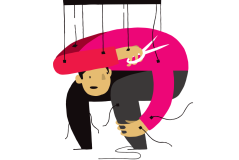
Free will without metaphysics
Despite the resurgence of interest in free will, there remains confusion and disagreement regarding free will’s role in social life, in particular, how people understand free will and whether free will guides blame and praise for others. In this blog post I argue that we need to pay closer attention...
Authored on
Honor and Emotion
This paper discusses honor and its effects on emotion. The paper is divided into two parts. In the first part, the definition of honor is discussed. This section answers the questions ‘what is honor,’ and ‘are there different types of honor?’ Later, there is an overview on the ways in which honor
Hot or cold morality? (Part 1)
How do we make moral judgments? Are people cold, calculating Vulcans? Or are they affectively hot hedonists? Researchers often present morality as a war between vying ‘hot’ and ‘cold’ processes, but in this two-part blog post I argue that the distinction is a false choice. Morality is both hot and...
Authored on

How "The Good Place" illustrates an unorthodox theory in moral psychology
On The Good Place, people are judged on the morality of virtually everything they do. This might seem unfair, but what really counts as moral and non-moral? Evidence from psychology suggests that there may be no clear distinction between moral and non-moral cases. If you’re like most people, you
How stress influences our morality
All of us are stressed every now and then. There are phenomena we usually associate with stress, like health risks and feelings like fear, panic, or insecurity. But stress might also have effects we normally don’t think of; recent studies suggest it can dramatically influence our decision-making in