
• 28.07.2014 | Violence & Aggression

    Foul-weather friends: Social psychology and school aggression

    written by: Sian Jones
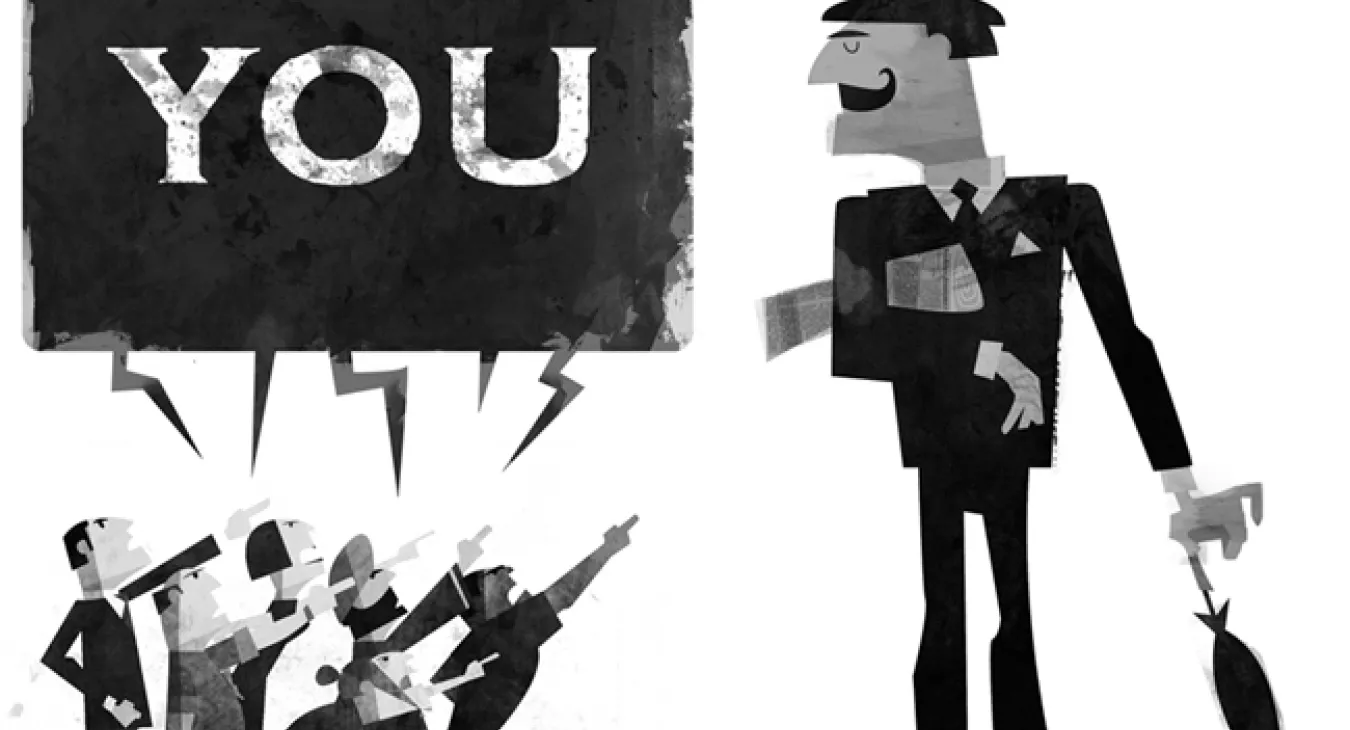
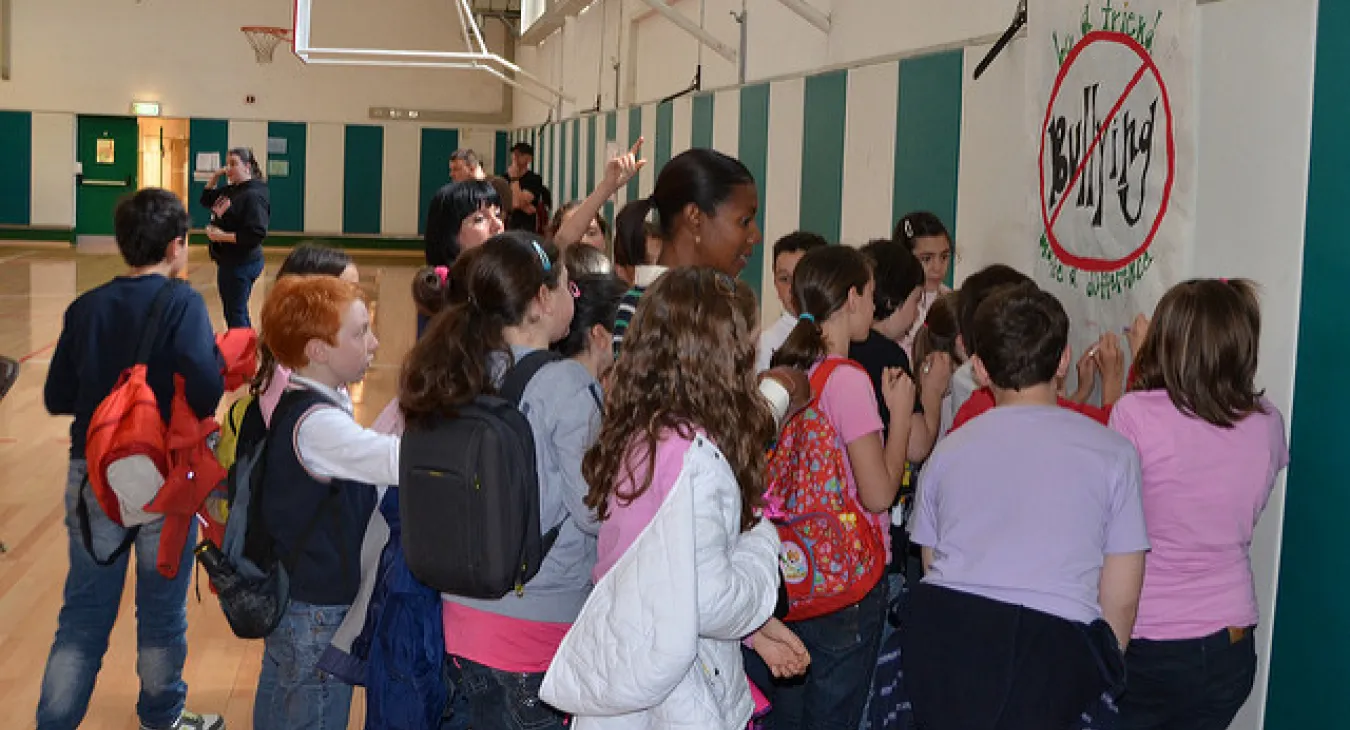
    In my last post, I discussed a striking observational study why peer only help infrequently, but I focused my discussion on the point of view of those who are bullying. In this post, I'll look at the perspective of the bullied victims. When it comes to the social psychology of aggression in schools, it seems that groups can both be a part of the problem and the solution, and I will discuss ways on how to attain this. more
  • 14.07.2014 | Culture

    Smile! And I tell you where you’re from

    written by: Marieke van Egmond
    Although popular belief (and a heartwarming children’s song) holds that we all laugh in the same language, recent research has found that people are remarkably adapt at detecting local accents in the way that emotions are expressed. In this blog, I will review the research that suggests that the long-assumed universality of emotions is limited. more
  • Smartphones: A threat to well-being?

    written by: Alina Feinholdt
    Nowadays, smartphones appear to play an inevitable role both in our work and private life. However, when it comes to work-related use, smartphones can hamper recovery and thus, pose a threat to our well-being. In this blog-post, I review recent studies on how and when potential side-effects may occur. more
  • 05.07.2014 | Violence & Aggression

    Why Are We Still Spanking Our Kids?

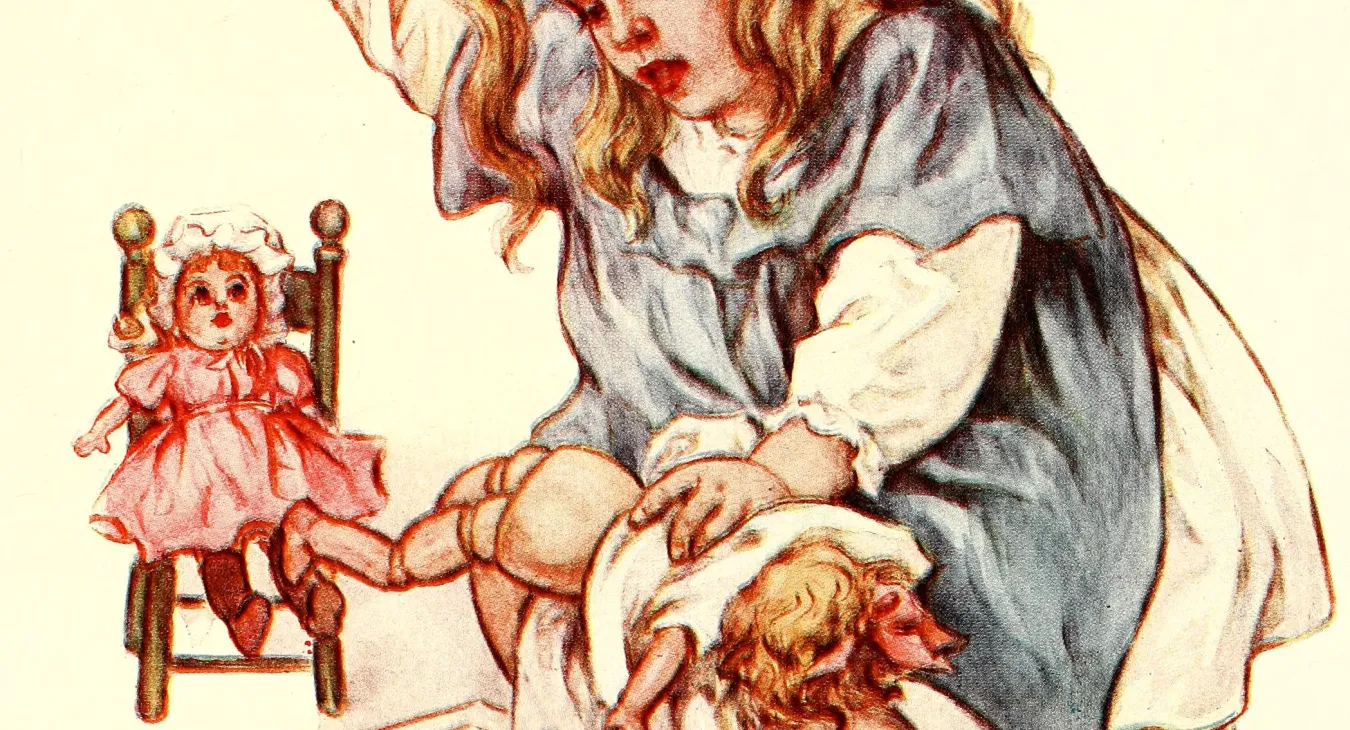
    In this blog post we discuss legal, attitudinal and motivational factors that explain why we use physical punishment with children, specifically: (1) the United States, unlike most other countries, does not legislate against it, (2) attitudes condoning corporal punishment remain strong, particularly in some U.S. regions and cultures, (3) situational precipitating factors, impulsive appraisal, and cognitive scripts for aggressive punishment can interact to result in a spanking episode. more
  • From candidate genes to genome-wide association studies

    written by: Marcus Munafo
    In my last post I asked where the genes for psychological traits are, and argued that over the last two decades candidate gene studies have failed to identify genes that are reliably associated with complex behavioral phenotypes. In this post, I will discuss more recent whole genome methods, such as genome-wide association studies, and what we have learned from these. more
  • 20.06.2014 | Romance & Friendship

    Now I ain’t sayin she’s a gold digger, but will she get with someone who makes less than her, either?

    written by: Cathleen Clerkin
    In this post I review research showing that women do not care about partner’s income as much as people may think. In fact, the research suggests that both men and women overestimate the degree to which the other gender cares about money in relationships. These findings are particularly relevant given that some opponents of the 2014 U.S. Paycheck Fairness Act have stated that women prefer to make less money than their romantic partners. more