

When mental illnesses are detected early and treated promptly, people affected tend to suffer less and have a better chance of recovery. Until now, identifying signs of mental illness in everyday life has required human expertise. Researchers are developing new approaches to automatically detect

Artificial Intelligence (AI) is revolutionizing healthcare, from enhancing radiology diagnoses to supporting mental health treatment. But while it promises efficiency and accuracy, its integration raises questions of trust, bias, and decision-making dynamics. Will AI become an indispensable medical
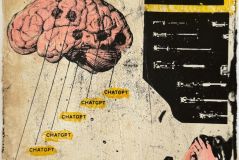
Not long ago, artificial intelligence was mostly found in science fiction and computer science departments. Today, it drafts our emails, recommends our next purchase, tutors our children, and occasionally tells us it understands how we feel. This shift has happened so quickly that our psychological

A supermarket with prices that can change at any time and fully automated checkouts is no longer fiction but a reality enabled by artificial intelligence. This raises important questions about the consequences for consumers. Besides greater convenience, efficiency, and a personalized shopping

When AI determines medical treatments or prison sentences, we may find comfort in the idea of a “human touch” in decisions, for instance, in the form of human oversight mandated in AI regulation. But does human oversight add something meaningful or does it merely serve to convince us to trust AI?

Have you ever experienced the frustration of your computer not behaving as it should? Maybe it started to reboot during your most important meeting, or it simply froze and despite your best efforts, you couldn’t restart it. Take a moment to recall your reactions: how did you feel and behave? Did you
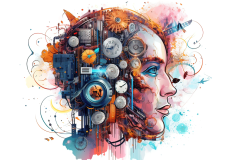
The impact of Artificial Intelligence (AI) is closely tied to human cognitive abilities – mental processes that determine how we interpret, evaluate, and respond to AI-generated information. Understanding this interplay is essential for designing AI systems that align with human cognition, enhancing
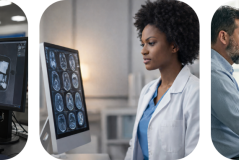
AI's decisions are often comprised with a human in the loop. Why? The person tries to improve the decisions but ends up making it worse despite good intentions. Our need to contribute interferes with these systems. In this article, we discuss this issue and whether explainable AI can foster true