  • EN
  • DE
  • FR
  • IT
  • NL

User account menu

  • Log in
Home
  • Magazine
    • All issues
    • Glossary
  • Blog
    • All blog posts
  • Submit to In-Mind
    • Articles
    • Blog posts
  • About In-Mind
    • Team
    • Join In-Mind
    • What is In-Mind?
    • Credits
  • Search

Psychology for You!

  • Magazine Issue
    09/2026

    Teamwork today and tomorrow: The skills that matter and how to build them

    • written by
    • Lara Watermann,
    • Natalie Hogh,
    • Joshua Braun,
    • Simone Kubowitsch
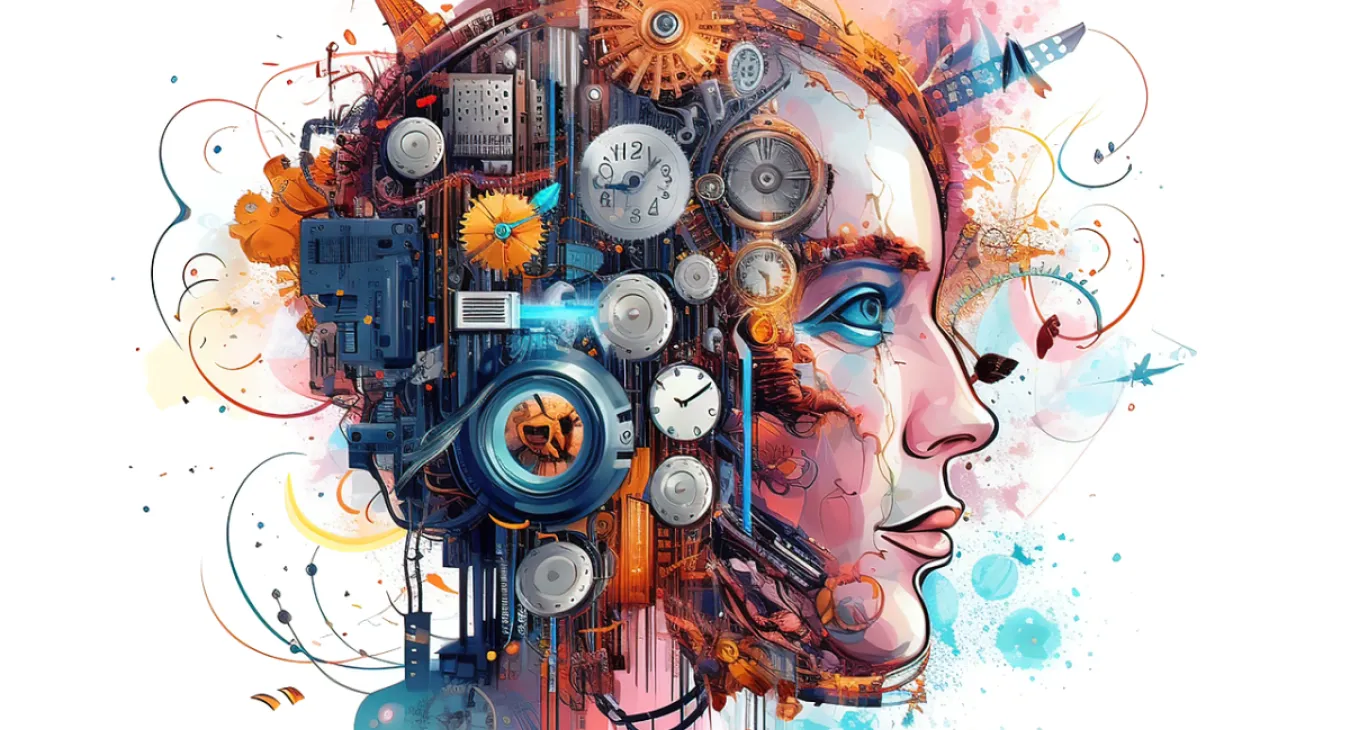
    Teams today collaborate across screens, time zones, and digital tools, but better technology does not always mean better teamwork. Hybrid meetings, information overload, and workflows supported by artificial intelligence (AI) create new challenges. Drawing on expert insights and psychological research, this article explores which team skills matter most and how teams can build them.
    Read more
  • Magazine Issue
    08/2026 - SpeciaI issue on artificial intelligence

    Understanding the mind-AI connection – how cognitive abilities shape AI use

    • written by
    • Magnus Liebherr,
    • Eva Gößwein
    The impact of Artificial Intelligence (AI) is closely tied to human cognitive abilities – mental processes that determine how we interpret, evaluate, and respond to AI-generated information. Understanding this interplay is essential for designing AI systems that align with human cognition, enhancing user engagement while reducing risks such as automation bias (the tendency to overtrust AI outputs) and cognitive overload (the state in which information exceeds mental capacity). In this article, we introduce the concepts of working memory, cognitive flexibility, and attention and explore how they shape the way we interact with AI. We illustrate how these cognitive functions influence...
    Read more
  • Human oversight
    Magazine Issue
    08/2026 - SpeciaI issue on artificial intelligence

    Human oversight of AI: An effective remedy for AI risks or a way to induce unwarranted trust in AI?

    • written by
    • Markus Langer,
    • Kevin Baum,
    • Johann Laux
    When AI determines medical treatments or prison sentences, we may find comfort in the idea of a “human touch” in decisions, for instance, in the form of human oversight mandated in AI regulation. But does human oversight add something meaningful or does it merely serve to convince us to trust AI?
    Read more
  • Digital price tags
    Magazine Issue
    08/2026 - SpeciaI issue on artificial intelligence

    How artificial intelligence in supermarkets influences customer experiences

    • written by
    • Sophia Wingen,
    • Laura Schenk
    A supermarket with prices that can change at any time and fully automated checkouts is no longer fiction but a reality enabled by artificial intelligence. This raises important questions about the consequences for consumers. Besides greater convenience, efficiency, and a personalized shopping experience, AI-driven supermarkets may reduce price and payment transparency and create a less comfortable atmosphere for consumers. This article explores the use of AI in supermarkets from a psychological perspective.
    Read more
  • In-Mind Blog

    Join the In-Mind team: Help us make psychology accessible to everyone!

    written by: Rinat Meerson, Stella Wernicke, Jana Dreston
  • Magazine Issue 09/2026

    Teamwork today and tomorrow: The skills that matter and how to build them

    written by: Lara Watermann, Natalie Hogh, Joshua Braun, Simone Kubowitsch
  • In-Mind Blog

    After "Adolescence": What we know (and don’t know) about gender attitudes and online misogyny

    written by: Kate Schramm, Silvana Weber
  • Magazine Issue 08/2026 - SpeciaI issue on artificial intelligence

    Benefits and risks of asking AI for health advice

    written by: Jaroslava Kaňková
  • Magazine Issue 03/2017

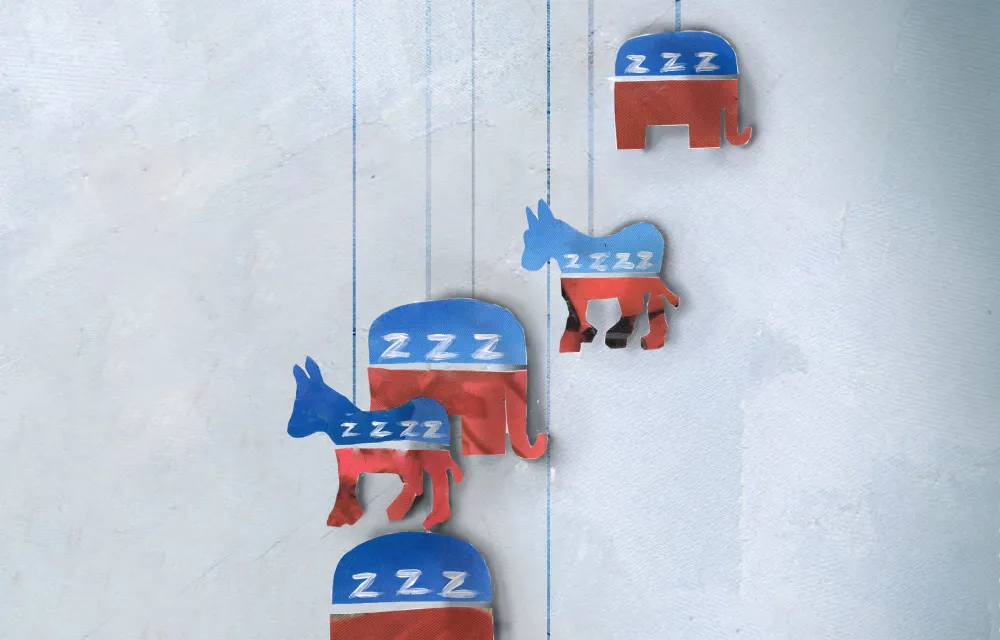
    Sleepy Politics: How Sleep Deprivation can Affect Political Decision Making

    written by: Jan Alexander Häusser
    In today’s political landscape, important decisions are often made by those who are severely sleep deprived. This raises the question of potential consequences of sleep deprivation for political decision making... more
  • Magazine Issue 03/2017

    Asking Children to Talk About Abuse: Can Research Help Improve Police Interviewer Skills?

    written by: Mikaela Magnusson, Emelie Ernberg, Sara Landström
    Child abuse cases often lack corroborative evidence in the form of injuries, DNA or direct witness observations. Instead, the most important source of information about the alleged crime is typically... more
  • Magazine Issue 03/2017

    In Defense of Anger: An Evolutionary Necessity and its Contemporary Applicability

    written by: Cameron Stuart Kay
    Anger is defined as an unpleasant feeling that results from an unpleasant event and it is, therefore, not particularly surprising that so many people dismiss it as a pointless emotion... more
  • Magazine Issue 10/2016

    Are Perceptions of Election “Rigging” Racialized?

    written by: Christopher M. Federico, Jacob Appleby
    Republican presidential nominee Donald Trump has departed from the usual norms of campaigning by repeatedly alleging that the November election is “going to be rigged” by his opponents. In recent... more
  • Magazine Issue 10/2016

    Elephants and Donkeys Are Killing The United States: Why We Need Political Diversity

    written by: Kate Johnson
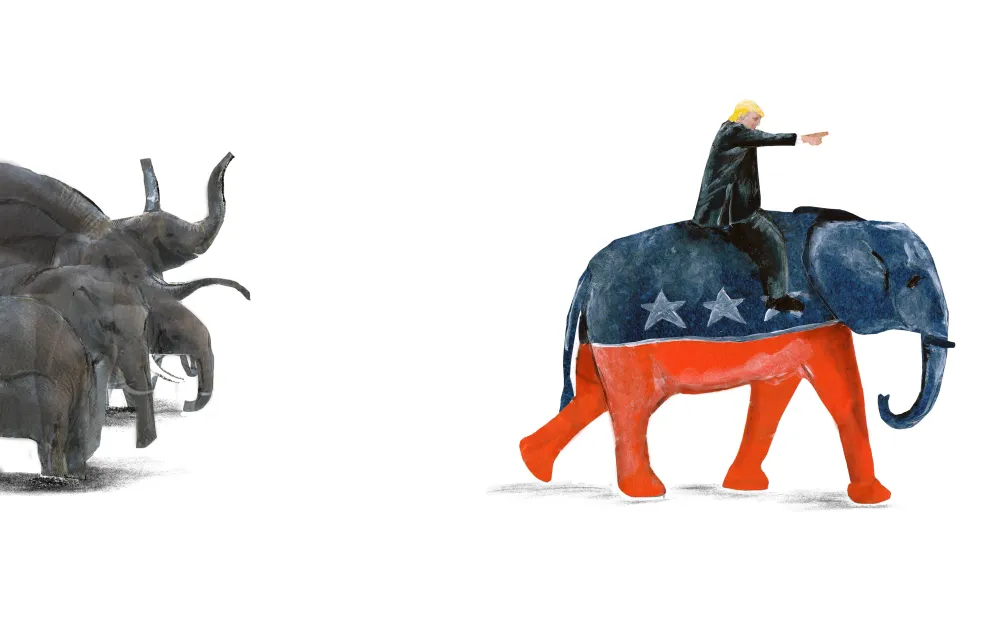
    While the opinions expressed in our own social networks may overwhelmingly predict our presidential candidate winning by a landslide, almost half of Americans polled support the candidate we oppose. As... more
  • Magazine Issue 10/2016

    Why Has Donald Trump Lost So Much Conservative Support?

    written by: Chris Martin
    Donald Trump has lost the support of many conservatives, a problem that may be explained by his lack of conscientiousness. This trait is more characteristic of conservatives than liberals, which... more
  • Load More Issues

In-Mind Blog

  • 31.12.2014 | Big Questions in Society

    Why do we sometimes enjoy the misfortune of others?

    written by: Wilco van Dijk
    Have you ever been in a situation where you couldn’t resist a little smile when someone else had a setback? Have you ever experienced joy when another person suffered a mishap? We’ve all probably been in that situation and we’ve all felt that joy. The German language coined the word Schadenfreude—a compound word of the German words 'Schaden' meaning 'harm' and 'Freude' meaning 'joy'—for the pleasure at the misfortunes of others and nowadays it is used as a loanword in the English language. more
  • 01.12.2013 |

    Why do people help strangers when disaster strikes?

    written by: Theresa DiDonato
    Marc Fucarile, a 34-year old native of Stoneham MA, lost his right leg, nearly lost his left, was peppered with shrapnel, and suffered severe burns when the second bomb exploded at the 2013 Boston Marathon.  Shortly thereafter, from his hospital bed, Marc described his situation saying, “There’s more good in the world than there is bad” (LaPierre, 2013).  Given his circumstances, this is an extraordinary observation, one that inspires awe and admiration. more

Editors' Choice

  • Magazine Issue 09/2026

    Teamwork today and tomorrow: The skills that matter and how to build them

    written by: Lara Watermann, Natalie Hogh, Joshua Braun, Simone Kubowitsch
  • In-Mind Blog
    a boy sitting next to a laptop using his phone

    After "Adolescence": What we know (and don’t know) about gender attitudes and online misogyny

    written by: Kate Schramm, Silvana Weber
  • Magazine Issue 08/2026 - SpeciaI issue on artificial intelligence
    Man using ChatGPT

    Benefits and risks of asking AI for health advice

    written by: Jaroslava Kaňková

Most Read

  • Magazine Issue 02/2014

    The good, the bad, and the ugly of the Dove Campaign for Real Beauty

    written by: Angela Celebre, Ashley Waggoner Denton
  • Magazine Issue 09/2025

    Viral and harmful: Violence in media and its impact on empathy

    written by: Mira Fauth-Bühler
  • Magazine Issue 03/2026

    Children in front of a screen: what is the impact of technology on their development?

    written by: Marica Notte, Daniela Renzi

The Inquisitive Mind is supported by:

  • DGPs – Deutsche Gesellschaft für Psychologie
  • C-SEB – Center for Social and Economic Behavior

Menu

  • Magazine
  • Blog
  • Submit to In-Mind
  • About In-Mind
  • Search
  • LinkedIn
  • Bluesky
  • Instagram
  • Print
  • RSS Feed
  • Cookie settings

About Us

In-Mind is a voluntary science communication project. We enable scientifically working psychologists to present their research topics in a scientifically sound, understandable and entertaining way for an interested audience: Psychology by scientists for everyone....more

Footer menu

  • Imprint
  • Data Protection