  • INT
  • DE
  • FR
  • IT
  • NL

User account menu

  • Log in
Home
  • Magazine
    • All issues
    • Glossary
  • Blog
    • All blog posts
  • Book Reviews
    • Book Reviews
  • Submit to In-Mind
    • Articles
    • Blog posts
  • About In-Mind
    • Team
    • What is In-Mind?
    • Credits

Psychology for You!

  • Magazine Issue
    08/2026 - SpeciaI issue on artificial intelligence

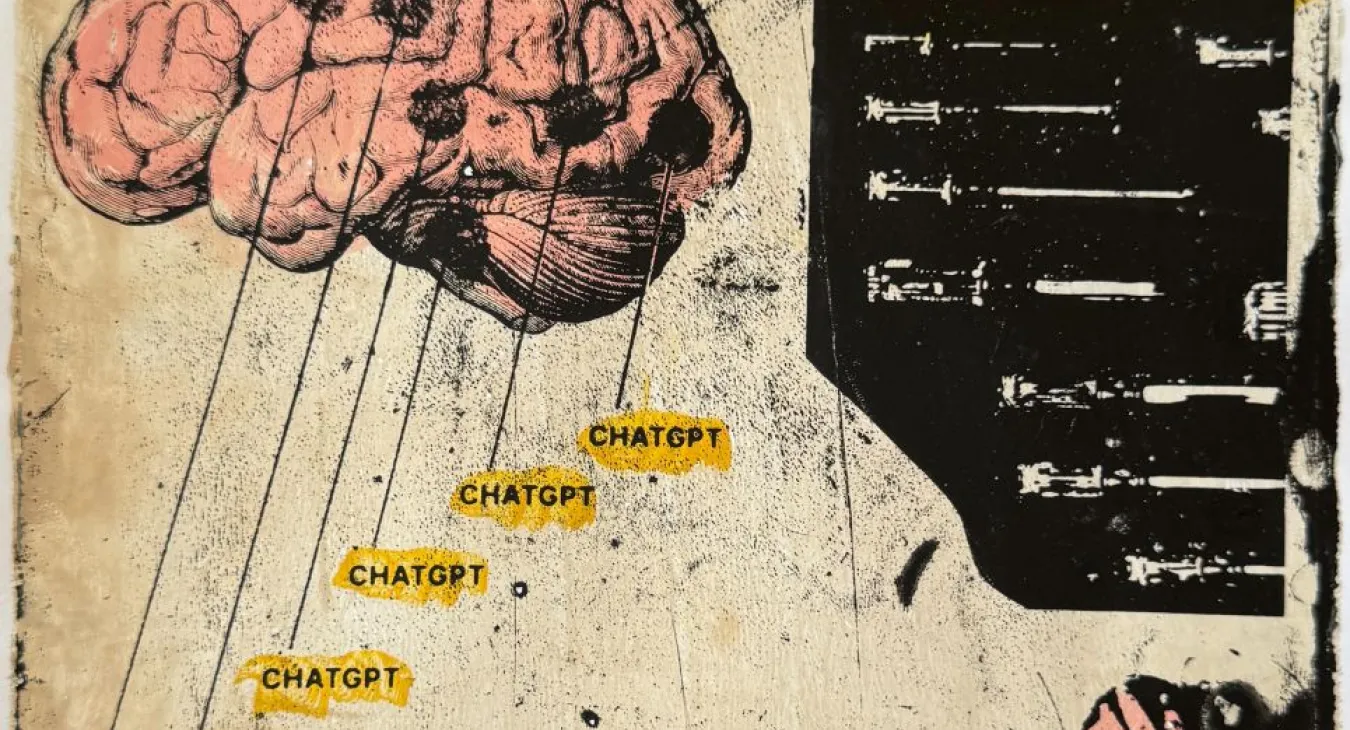
    Understanding the mind-AI connection – how cognitive abilities shape AI use

    • written by
    • Magnus Liebherr,
    • Eva Gößwein
    The impact of Artificial Intelligence (AI) is closely tied to human cognitive abilities – mental processes that determine how we interpret, evaluate, and respond to AI-generated information. Understanding this interplay is essential for designing AI systems that align with human cognition, enhancing user engagement while reducing risks such as automation bias (the tendency to overtrust AI outputs) and cognitive overload (the state in which information exceeds mental capacity). In this article, we introduce the concepts of working memory, cognitive flexibility, and attention and explore how they shape the way we interact with AI. We illustrate how these cognitive functions influence...
    Read more
    • Log in to post comments
  • Human oversight
    Magazine Issue
    08/2026 - SpeciaI issue on artificial intelligence

    Human oversight of AI: An effective remedy for AI risks or a way to induce unwarranted trust in AI?

    • written by
    • Markus Langer,
    • Kevin Baum,
    • Johann Laux
    When AI determines medical treatments or prison sentences, we may find comfort in the idea of a “human touch” in decisions, for instance, in the form of human oversight mandated in AI regulation. But does human oversight add something meaningful or does it merely serve to convince us to trust AI?
    Read more
    • Log in to post comments
  • Digital price tags
    Magazine Issue
    08/2026 - SpeciaI issue on artificial intelligence

    How artificial intelligence in supermarkets influences customer experiences

    • written by
    • Sophia Wingen,
    • Laura Schenk
    A supermarket with prices that can change at any time and fully automated checkouts is no longer fiction but a reality enabled by artificial intelligence. This raises important questions about the consequences for consumers. Besides greater convenience, efficiency, and a personalized shopping experience, AI-driven supermarkets may reduce price and payment transparency and create a less comfortable atmosphere for consumers. This article explores the use of AI in supermarkets from a psychological perspective.
    Read more
    • Log in to post comments
  • AI-generated content may reflect gender stereotypes
    Magazine Issue
    08/2026 - SpeciaI issue on artificial intelligence

    Blaming the biased bot? Gender bias in AI-generated content

    • written by
    • Alexandra Wölfle
    With the growing popularity and increasing capabilities of generative AI, more and more attention is also drawn to AI model biases, in particular, gender biases. But what exactly does bias mean in this context, how should it be addressed, and what role do humans play in all this?
    Read more
    • Log in to post comments
  • Magazine Issue 08/2026 - SpeciaI issue on artificial intelligence

    Understanding the mind-AI connection – how cognitive abilities shape AI use

    written by: Magnus Liebherr, Eva Gößwein
  • Magazine Issue 08/2026 - SpeciaI issue on artificial intelligence

    Human oversight of AI: An effective remedy for AI risks or a way to induce unwarranted trust in AI?

    written by: Markus Langer, Kevin Baum, Johann Laux
  • Magazine Issue 08/2026 - SpeciaI issue on artificial intelligence

    How artificial intelligence in supermarkets influences customer experiences

    written by: Sophia Wingen, Laura Schenk
  • Magazine Issue 08/2026 - SpeciaI issue on artificial intelligence

    Blaming the biased bot? Gender bias in AI-generated content

    written by: Alexandra Wölfle
  • Magazine Issue 03/2017

    Asking Children to Talk About Abuse: Can Research Help Improve Police Interviewer Skills?

    written by: Mikaela Magnusson, Emelie Ernberg, Sara Landström
    Child abuse cases often lack corroborative evidence in the form of injuries, DNA or direct witness observations. Instead, the most important source of information about the alleged crime is typically... more
  • Magazine Issue 03/2017

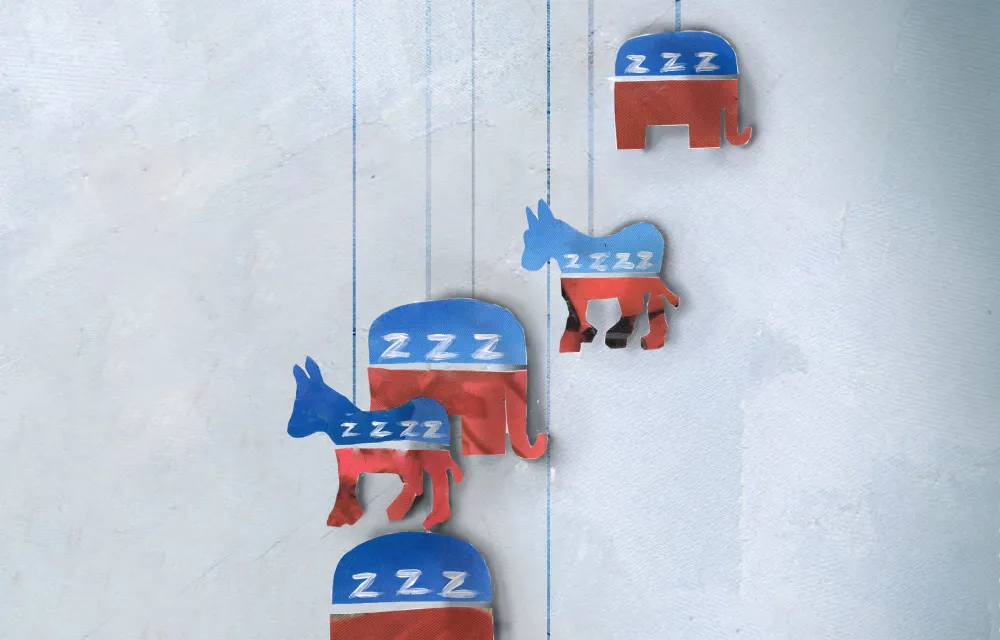
    Sleepy Politics: How Sleep Deprivation can Affect Political Decision Making

    written by: Jan Alexander Häusser
    In today’s political landscape, important decisions are often made by those who are severely sleep deprived. This raises the question of potential consequences of sleep deprivation for political decision making... more
  • Magazine Issue 10/2016

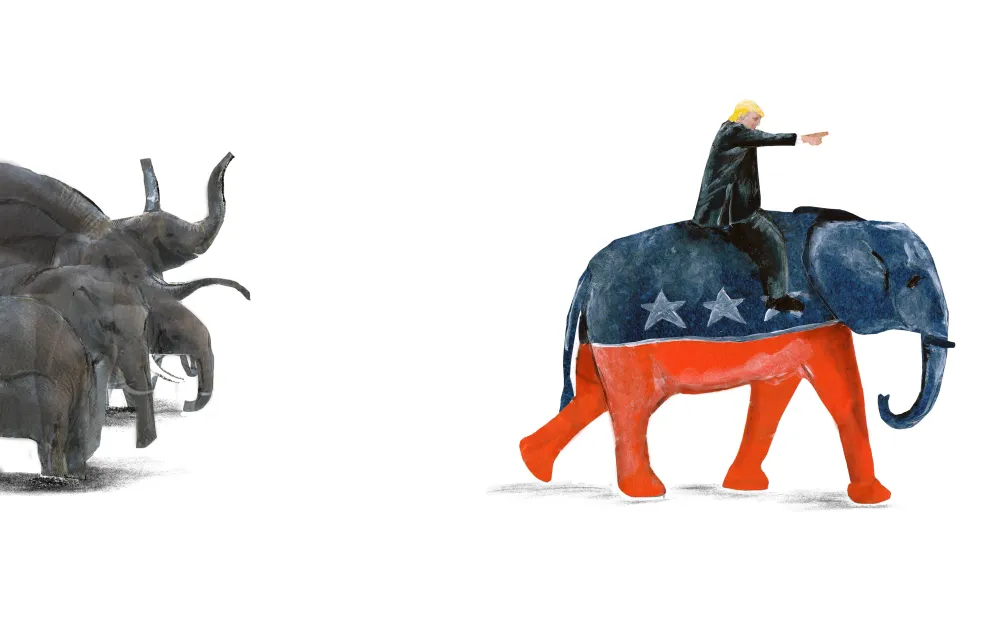
    Why Has Donald Trump Lost So Much Conservative Support?

    written by: Chris Martin
    Donald Trump has lost the support of many conservatives, a problem that may be explained by his lack of conscientiousness . This trait is more characteristic of conservatives than liberals... more
  • Magazine Issue 10/2016

    Elephants and Donkeys Are Killing The United States: Why We Need Political Diversity

    written by: Kate Johnson
    While the opinions expressed in our own social networks may overwhelmingly predict our presidential candidate winning by a landslide, almost half of Americans polled support the candidate we oppose. As... more
  • Magazine Issue 10/2016

    Are Perceptions of Election “Rigging” Racialized?

    written by: Christopher M. Federico, Jacob Appleby
    Republican presidential nominee Donald Trump has departed from the usual norms of campaigning by repeatedly alleging that the November election is “going to be rigged” by his opponents. In recent... more
  • Magazine Issue 07/2016

    Was that how it happened? Shaping our memory for personal experiences in conversation with others

    written by: Joanne Rechdan, Melanie Sauerland, Lorraine Hope, James Ost
    Conversations with others can alter our memories for life events. Our purpose in relating a story, and how our audience receives it, are factors that influence our selection of what... more
  • Load More Issues

In-Mind Blog

  • 20.02.2014 | Political Psychology

    Everyone is prejudiced, too

    written by: Jarret Crawford
    In this blog post, I will discuss new research in political psychology that is changing our understanding of what prejudice is, and who is prejudiced. more
  • 12.02.2014 | Culture

    Re-thinking how we think about conformity

    written by: Robert Thomson
    In this post, I recount part of my journey into the nitty-gritty of cross-cultural differences in behavior. More specifically, I discuss the link between skateboarding across the USA, attractive Japanese women in tights, and the paradoxical nuances in conformity between cultures. more
  • 06.02.2014 | Romance & Friendship

    Does parental disapproval lead to love or dissolution? The Romeo and Juliet effect vs. the social network effect

    written by: Chelsea Ellithorpe
    In this post, I assert that two opposing theories about how opinions friends and family hold affect one’s romantic relationship (Romeo and Juliet effect vs. social network effect) can actually coexist. Though there is little empirical support for the Romeo and Juliet effect, current research demonstrates that this effect may exist in certain circumstances. more
  • 29.01.2014 | Political Psychology

    Everyone is biased

    written by: Jarret Crawford
    My first blog post tells the story of my discovery of the conditions that reveal the political biases of liberals and conservatives. It’s also a story of coming to terms with my own biases. more
  • 04.01.2014 | Big Questions in Society

    After Trayvon: The science of protecting innocent black men

    written by: Scott Sleek
    Even though the death of Trayvon Martin drew much public attention in the last year and a half, the shooting of an unarmed, innocent black male is in no way an isolated case in America. Jonathan Ferrell, a 24-year-old African-American man in Florida, was recently killed by police officers when he was looking for help after crashing his car. Roy Middleton, a 60-year-old... more
  • 31.12.2014 | Big Questions in Society

    Why do we sometimes enjoy the misfortune of others?

    written by: Wilco van Dijk
    Have you ever been in a situation where you couldn’t resist a little smile when someone else had a setback? Have you ever experienced joy when another person suffered a mishap? We’ve all probably been in that situation and we’ve all felt that joy. The German language coined the word Schadenfreude—a compound word of the German words 'Schaden' meaning 'harm' and 'Freude'... more
  • Load more blog posts

Book Reviews

Buried Secrets: Rememberance of Things Past, a Review by Christopher Perez

reviewed by: Christopher Perez

The Coddling of the American Mind, reviewed by Dylan Selterman

reviewed by: Dylan Selterman

My Year of Rest and Relaxation, reviewed by Andrew Archer

reviewed by: Andrew Archer

The Hope Circuit, Reviewed by Joe Smith

reviewed by: Joe Smith

Social Psychology: Revisiting the Classics (2nd Edition)

reviewed by: Richard Skaff

Most Read

  • Magazine Issue 02/2025

    Do we really like what we like? How social influence processes shape our experiences when we are online

    written by: Dr. A. Marthe Möller
  • Magazine Issue 04/2024

    Does nudging have a place in politics? How decision-making contexts inevitably influence our behavior

    written by: Mario Herberz
  • Magazine Issue 06/2024 - Special issue on sport psychology

    In the shades of the rings – experiences of interpersonal violence in elite sports

    written by: Julia T. Schwender, Teresa Greither, Helena Schmitz, Laurie Schwab
  • Magazine Issue 08/2024

    Bug or feature? Boredom feels aversive, and this is why it matters

    written by: Wanja Wolff, Katja Rewitz, Dr. Maik Bieleke
  • Magazine Issue 10/2009

    The Ghost in the System: Where Free Will Lurks in Human Minds

    written by: Jay Michaels, Robin Vallacher

The Inquisitive Mind Magazine is supported by:

  • DGPs
  • C-SEB

Menu

  • Magazine
  • Blog
  • Book Reviews
  • Submit to In-Mind
  • About In-Mind
  • facebook
  • twitter
  • instagram
  • print
  • RSS Feed

About Us

In-Mind is a voluntary science communication project. We enable scientifically working psychologists to present their research topics in a scientifically sound, understandable and entertaining way for an interested audience: Psychology by scientists for everyone....more

Footer menu

  • Imprint
  • Data Protection
Clear keys input element