  • EN
  • DE
  • FR
  • IT
  • NL

User account menu

  • Log in
Home
  • Magazine
    • All issues
    • Glossary
  • Blog
    • All blog posts
  • Submit to In-Mind
    • Articles
    • Blog posts
  • About In-Mind
    • Team
    • What is In-Mind?
    • Credits
  • Search

Psychology for You!

  • Magazine Issue
    09/2026

    Teamwork today and tomorrow: The skills that matter and how to build them

    • written by
    • Lara Watermann,
    • Natalie Hogh,
    • Joshua Braun,
    • Simone Kubowitsch
    Teams today collaborate across screens, time zones, and digital tools, but better technology does not always mean better teamwork. Hybrid meetings, information overload, and workflows supported by artificial intelligence (AI) create new challenges. Drawing on expert insights and psychological research, this article explores which team skills matter most and how teams can build them.
    Read more
  • Magazine Issue
    08/2026 - SpeciaI issue on artificial intelligence

    Understanding the mind-AI connection – how cognitive abilities shape AI use

    • written by
    • Magnus Liebherr,
    • Eva Gößwein
    The impact of Artificial Intelligence (AI) is closely tied to human cognitive abilities – mental processes that determine how we interpret, evaluate, and respond to AI-generated information. Understanding this interplay is essential for designing AI systems that align with human cognition, enhancing user engagement while reducing risks such as automation bias (the tendency to overtrust AI outputs) and cognitive overload (the state in which information exceeds mental capacity). In this article, we introduce the concepts of working memory, cognitive flexibility, and attention and explore how they shape the way we interact with AI. We illustrate how these cognitive functions influence...
    Read more
  • Human oversight
    Magazine Issue
    08/2026 - SpeciaI issue on artificial intelligence

    Human oversight of AI: An effective remedy for AI risks or a way to induce unwarranted trust in AI?

    • written by
    • Markus Langer,
    • Kevin Baum,
    • Johann Laux
    When AI determines medical treatments or prison sentences, we may find comfort in the idea of a “human touch” in decisions, for instance, in the form of human oversight mandated in AI regulation. But does human oversight add something meaningful or does it merely serve to convince us to trust AI?
    Read more
  • Digital price tags
    Magazine Issue
    08/2026 - SpeciaI issue on artificial intelligence

    How artificial intelligence in supermarkets influences customer experiences

    • written by
    • Sophia Wingen,
    • Laura Schenk
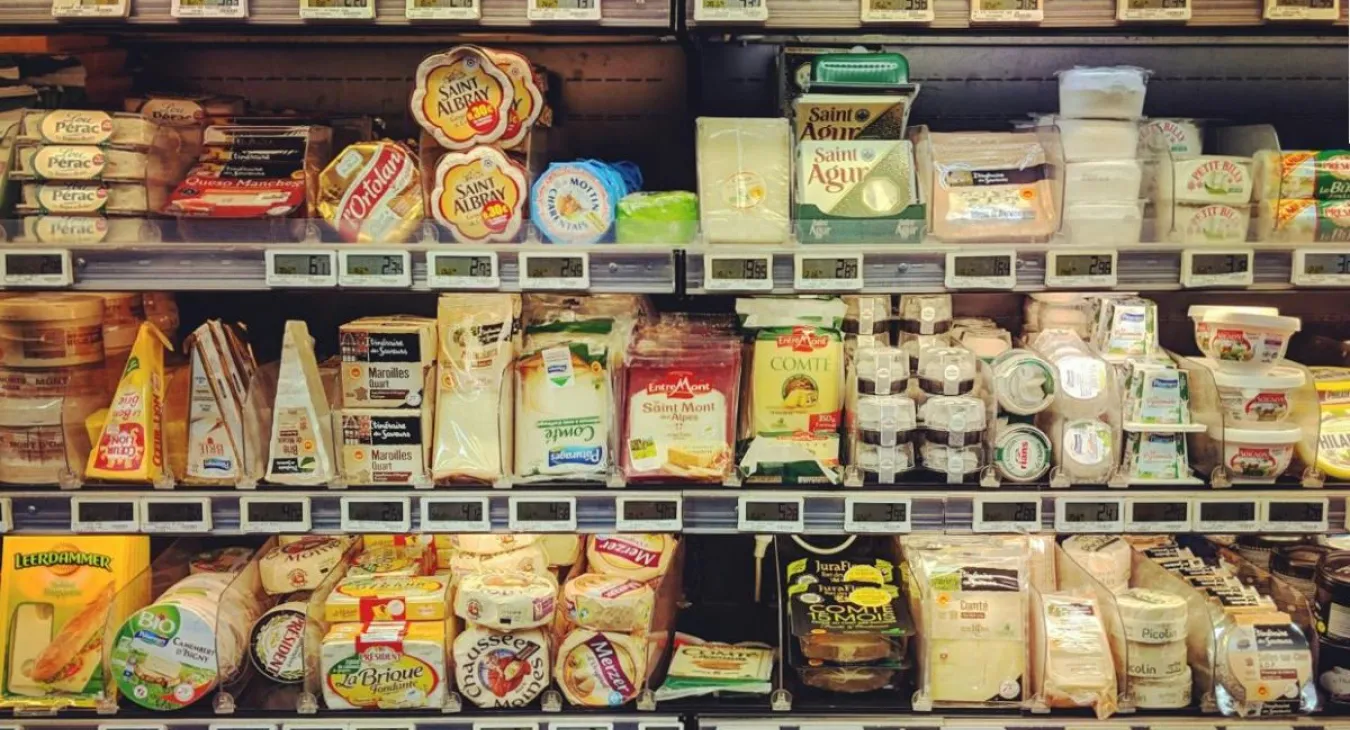
    A supermarket with prices that can change at any time and fully automated checkouts is no longer fiction but a reality enabled by artificial intelligence. This raises important questions about the consequences for consumers. Besides greater convenience, efficiency, and a personalized shopping experience, AI-driven supermarkets may reduce price and payment transparency and create a less comfortable atmosphere for consumers. This article explores the use of AI in supermarkets from a psychological perspective.
    Read more
  • In-Mind Blog

    Join the In-Mind team: Help us make psychology accessible to everyone!

    written by: Rinat Meerson, Stella Wernicke, Jana Dreston
  • Magazine Issue 09/2026

    Teamwork today and tomorrow: The skills that matter and how to build them

    written by: Lara Watermann, Natalie Hogh, Joshua Braun, Simone Kubowitsch
  • In-Mind Blog

    After "Adolescence": What we know (and don’t know) about gender attitudes and online misogyny

    written by: Kate Schramm, Silvana Weber
  • Magazine Issue 08/2026 - SpeciaI issue on artificial intelligence

    Benefits and risks of asking AI for health advice

    written by: Jaroslava Kaňková
  • Magazine Issue 02/2026

    A spoonful of misinformation helps the medicine go viral. How misinformation spreads and who bears the consequences.

    written by: Lotte Slootmaekers, Sanne Houben, Irena Boskovic
    Back to January 2021: you are at home because of the COVID-19 pandemic and decide to scroll through social media for some much-needed distraction. Within seconds, you come across posts... more
  • Magazine Issue 01/2026

    Bisexual invisibility: Perceptions of bisexual people and their representation in the media

    written by: Angelica Manzi, Fabio Fasoli, Alana Connor
    Bisexual people often remain “invisible” and are frequently targets of prejudice. This article explores the beliefs people have about bisexuality and examines the role of the media in either reinforcing... more
  • Magazine Issue 01/2026

    Goal achieved? The role of sexual goals in influencing women’s perceptions and attitudes in sexually objectifying relationships

    written by: Bianca Tallone, Gian Antonio Di Bernardo, Luca Andrighetto, Chiara Pecini
    In this article, we demonstrate that perceived sexual objectification in interpersonal relationships can depend on factors such as the presence of sexual goals and how these goals are aligned between... more
  • Magazine Issue 01/2026

    Between excellence and well-being: The case of academia

    written by: Silvia Filippi, Caterina Suitner
    Loving your work can be both a privilege and a trap. In academia and beyond, passion and flexibility often turn into pressure and overwork. This article examines the hidden costs... more
  • Magazine Issue 01/2026

    Minority report: Fact or fiction? Can we actually predict violent behavior?

    written by: Petra Habets, Josanne van Dongen
    More than twenty-four years ago, the film Minority Report offered a visionary glimpse into a future of self-driving cars, facial recognition, and the possibility of predicting crimes before they occur... more
  • Magazine Issue 12/2025

    The unbearable heaviness of having an appearance: How society teaches us to judge our bodies

    written by: Cristian Di Gesto, Amanda Nerini, Camilla Matera
    Why do so many of us, especially women, struggle to feel comfortable in our own bodies? This article explores how sociocultural pressures and social media shape body dissatisfaction and drive... more
  • Load More Issues

In-Mind Blog

  • 07.06.2025 |

    Why it takes more than the occasional ‘sorry’: How frequency and quality of apologies shape our relationships

    written by: Martina Grunenberg
    Missteps and hurt feelings are often unavoidable in romantic relationships. While some individuals are quick to fully admit their mistakes, others are more reserved. But how does the way we apologize affect our relationships? more
  • 05.06.2025 |

    Can expectations about being hungry affect your concentration?

    written by: Christoph Bamberg
    Can skipping breakfast blur your focus? A recent study found that hunger alone did not alter concentration—but participants expecting hunger to sharpen their minds performed better than those anticipating a slump. The results suggest beliefs about hunger can steer cognitive performance and should inform health messaging. more
  • 24.03.2025 | Social Influence & Negotiations

    The Dark Side of Social Media - Unpacking Its Psychological Impact 

    written by: Rinat Meerson, Jana Dreston
    Social media has revolutionized the way we connect, communicate, and consume information. However, its darker aspects pose significant challenges to individuals and societies. This Special Issue (SI) seeks to explore... more
  • 23.03.2025 |

    Join the In-Mind Team: Help us make psychology accessible to everyone!

    written by: Jana Dreston, Stella Wernicke
    What is In-Mind? In-Mind is a volunteer-driven project dedicated to sharing psychological research. We give researchers a platform to present their work in an engaging, accessible, and scientifically rigorous way—psychology... more
  • 08.01.2025 | Announcements and News

    Artificial intelligence, real consequences: Call for abstracts for a special issue on the psychological dimensions of AI

    written by: Magdalena Wischnewski, Michaela Forrai, Stella Wernicke
    The special issue "Artificial Intelligence, Real Consequences — exploring the psychological dimensions of AI" aims to make central research on the psychological components of Artificial Intelligence (AI) accessible to the general public. more
  • 23.12.2024 | Happiness & Well-being

    Caught in a vicious cycle? The complex interplay of work stressors and burnout

    written by: Jette Völker
    A conflict with a coworker, time pressure, or technical issues – work-related stressors can take many forms. When work stressors accumulate, they can lead to burnout. However, recent research suggests that the interplay between work stressors and burnout is more complex than previously assumed. Could employees potentially be caught in a vicious cycle? more
  • Load more blog posts

Editors' Choice

  • Magazine Issue 09/2026

    Teamwork today and tomorrow: The skills that matter and how to build them

    written by: Lara Watermann, Natalie Hogh, Joshua Braun, Simone Kubowitsch
  • In-Mind Blog
    a boy sitting next to a laptop using his phone

    After "Adolescence": What we know (and don’t know) about gender attitudes and online misogyny

    written by: Kate Schramm, Silvana Weber
  • Magazine Issue 08/2026 - SpeciaI issue on artificial intelligence
    Man using ChatGPT

    Benefits and risks of asking AI for health advice

    written by: Jaroslava Kaňková

Most Read

  • Magazine Issue 02/2014

    The good, the bad, and the ugly of the Dove Campaign for Real Beauty

    written by: Angela Celebre, Ashley Waggoner Denton
  • Magazine Issue 03/2026

    Children in front of a screen: what is the impact of technology on their development?

    written by: Marica Notte, Daniela Renzi
  • Magazine Issue 09/2025

    Viral and harmful: Violence in media and its impact on empathy

    written by: Mira Fauth-Bühler

The Inquisitive Mind is supported by:

  • DGPs – Deutsche Gesellschaft für Psychologie
  • C-SEB – Center for Social and Economic Behavior

Menu

  • Magazine
  • Blog
  • Submit to In-Mind
  • About In-Mind
  • Search
  • LinkedIn
  • Bluesky
  • Instagram
  • Print
  • RSS Feed
  • Cookie settings

About Us

In-Mind is a voluntary science communication project. We enable scientifically working psychologists to present their research topics in a scientifically sound, understandable and entertaining way for an interested audience: Psychology by scientists for everyone....more

Footer menu

  • Imprint
  • Data Protection