  • EN
  • DE
  • FR
  • IT
  • NL

User account menu

  • Log in
Home
  • Magazine
    • All issues
    • Glossary
  • Blog
    • All blog posts
  • Submit to In-Mind
    • Articles
    • Blog posts
  • About In-Mind
    • Team
    • Join In-Mind
    • What is In-Mind?
    • Credits
  • Search

Psychology for You!

  • Magazine Issue
    11/2026

    Can an outfit be more persuasive than a speech? Aesthetic signals, identity, and the path to radicalization

    • written by
    • Paola D'Elia
    Can an outfit be persuasive? This article explores how shared aesthetic styles – from subcultures to online communities – can strengthen group identity and subtly influence which ideas feel natural and legitimate. In certain contexts, belonging may precede persuasion and contribute to polarization.

    Read more
  • a kid and their psychotherapist
    Magazine Issue
    10/2026

    Shedding light on the shadows of psychotherapy – monitoring side effects

    • written by
    • Anna Backus,
    • Sanne Houben,
    • Brechje Dandachi-FitzGerald
    Psychotherapy is an umbrella term for various psychological interventions, which can help reduce symptoms of mental illness and increase quality of life [1, 2, 3]. However, many people aren’t aware that psychotherapy can have certain side effects, just like pharmaceutical treatments, [4]. This article seeks to answer the question of what these side effects are and how we can monitor them?
    Read more
  • Magazine Issue
    09/2026

    Teamwork today and tomorrow: The skills that matter and how to build them

    • written by
    • Lara Watermann,
    • Natalie Hogh,
    • Joshua Braun,
    • Simone Kubowitsch
    Teams today collaborate across screens, time zones, and digital tools, but better technology does not always mean better teamwork. Hybrid meetings, information overload, and workflows supported by artificial intelligence (AI) create new challenges. Drawing on expert insights and psychological research, this article explores which team skills matter most and how teams can build them.
    Read more
  • Man using ChatGPT
    Magazine Issue
    08/2026 - Special issue on artificial intelligence

    Benefits and risks of asking AI for health advice

    • written by
    • Jaroslava Kaňková
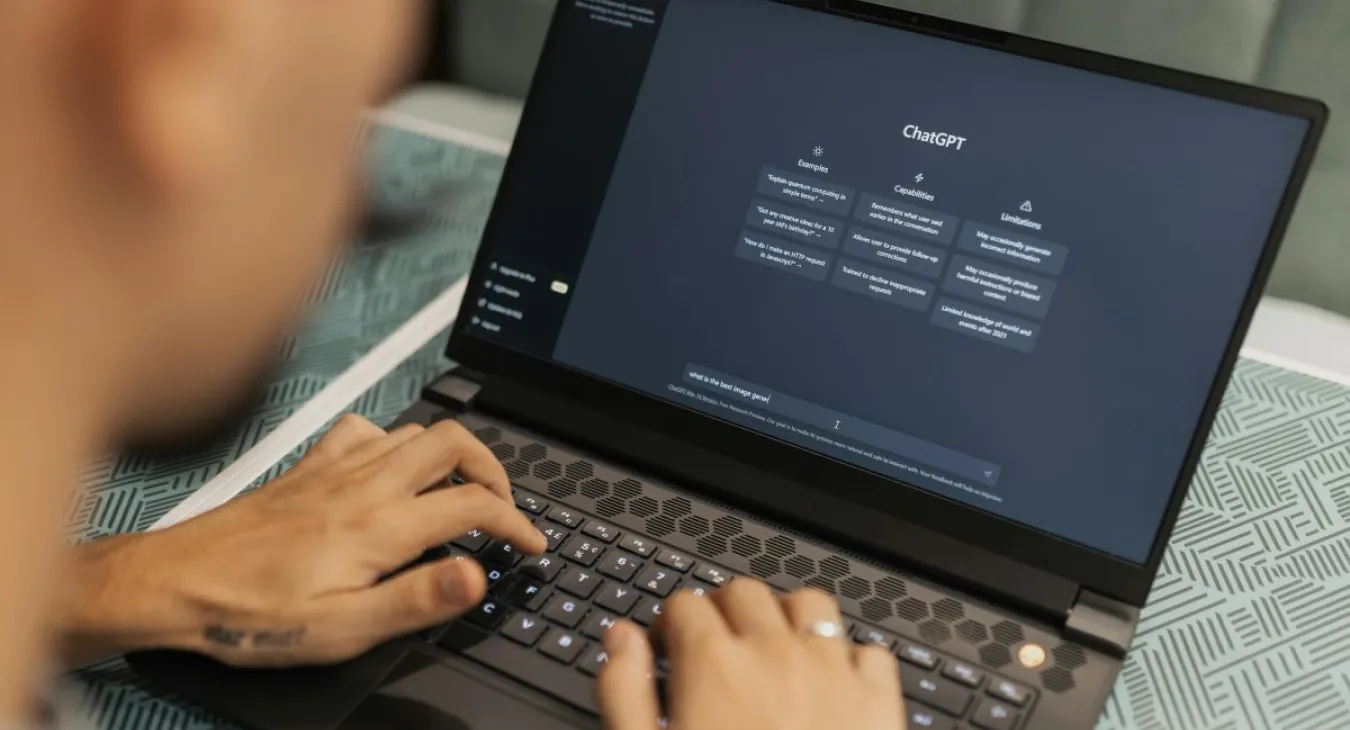
    Can ChatGPT become your new health advisor – or even your therapist? Generative AI tools are changing how we access health information, offering speed and convenience like never before. But alongside the benefits come real risks. This article explores the promise and pitfalls of AI in non-clinical health settings.
    Read more
  • Magazine Issue 11/2026

    Can an outfit be more persuasive than a speech? Aesthetic signals, identity, and the path to radicalization

    written by: Paola D'Elia
  • Magazine Issue 10/2026

    Shedding light on the shadows of psychotherapy – monitoring side effects

    written by: Anna Backus, Sanne Houben, Brechje Dandachi-FitzGerald
  • In-Mind Blog

    Join the In-Mind team: Help us make psychology accessible to everyone!

    written by: Rinat Meerson, Stella Wernicke, Jana Dreston
  • Magazine Issue 09/2026

    Teamwork today and tomorrow: The skills that matter and how to build them

    written by: Lara Watermann, Natalie Hogh, Joshua Braun, Simone Kubowitsch
  • Magazine Issue 07/2025

    Empowerment instead of mind-control. Why myth-busting does not interfere with intellectual independence.

    written by: Stefan T. Siegel
    “Myth-busting is just policing thought!” “Fact-checkers tell us what to think!” These claims are common, but do they hold up? Ironically, while myth-busting aims to foster critical thinking, it is... more
  • Magazine Issue 07/2025

    Does organized ritual child abuse exist?

    written by: Roland Imhoff, Marcel Meuer, Andreas Mokros, Aileen Oeberst
    A significant number of therapists and self-defined victims report secret organizations that sexually abuse children for ideological or religious purposes and control them through targeted personality splitting. However, police investigations... more
  • Magazine Issue 06/2025

    Why we’d buy a microwave from BODIKA_1996 but not from KODIBA_1996 – Articulation movements and their effects on judgments and decisions

    written by: Moritz Ingendahl
    People like inward-oriented articulation movements (e.g., in BODIKA – Lips → Tongue → Throat) more than outward-oriented articulation movements (e.g., in KODIBA – Throat →  Tongue → Lips). This effect... more
  • Magazine Issue 06/2025

    What is manifesting all about? The universe as a difficult conversational partner

    written by: Lisa Marie Warner, Nina Wieking
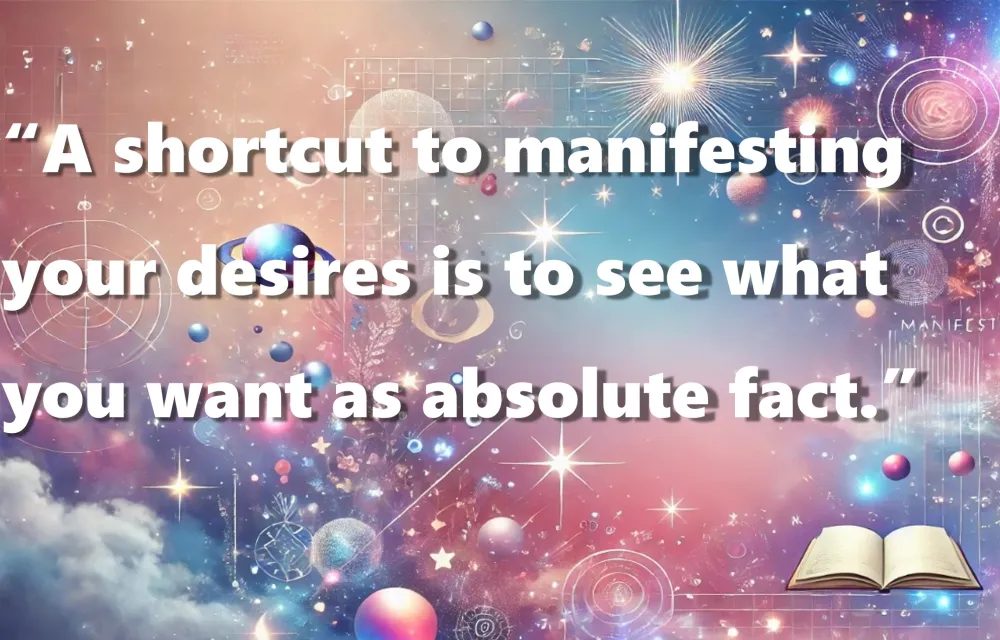
    It sounds too good to be true: "You can achieve any goal with simple affirmations”. For example, people formulate: "I have clear and pure skin" or "I am grateful that... more
  • Magazine Issue 03/2025

    Left-wing vs. right-wing: who is more likely to help others?

    written by: Bernhard Schubach
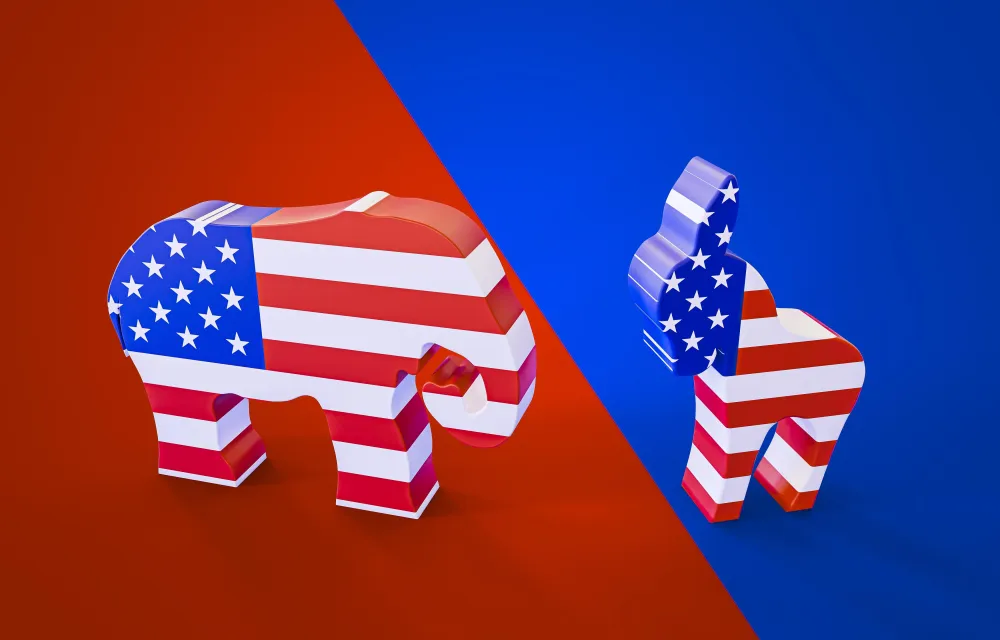
    Are supporters of the political left more prosocial and altruistic than their right-wing counterparts? In theory, this link is very plausible. This article summarizes the empirical research on the link... more
  • Magazine Issue 03/2025

    Small screens, big effects: How screen media shapes early childhood

    written by: Gizem Samdan
    How does early screen use shape child development? This article reveals how content type, family background, and parental media habits can either support or hinder a child’s cognitive, emotional, and... more
  • Load More Issues

In-Mind Blog

  • 24.06.2018 | Big Questions in Society, Current Events

    The Violence We Have Committed

    written by: James Coan
    Circle of Willis is a podcast series from Associate Professor and Clinical Psychologist Dr. James Coan. The podcast features interviews with many of today's top social scientists, journalists, authors, and more. In a recent special episode of Circle of Willis, Dr. Coan speaks with five developmental scientists about what may be happening to the children who are currently being separated from their parents as part of a policy to deter immigration and asylum seekers at the southern border to the United States. Dr. Coan offers some background to the problem, what science has to say about it, and a link to the podcast below. more
  • 20.05.2018 | Demystifying Mental Health

    Chemical or Financial Imbalances? Mental Health, Income Inequality & American Culture

    written by: Andrew Archer
    As societies become more unequal, the prevalence of all forms of mental illness increase—in part—due to the perception of extreme differences in status. The rise of mood disorders is caused by our social immersion in a digital culture—built and shaped via individualistic values—which is the financial machine for perpetuating income inequality. more
  • 04.05.2018 | Demystifying Mental Health, Happiness & Well-being

    Demystifying Mental Health...On the Radio! An interview with podcast host Hillary McBride

    written by: Hillary McBride, Lucas Keefer, Mitch Brown
    “I like to tell people when I start working with them that I’m a therapist because therapy has changed my life. As a therapist, I know what it’s like to be on both sides of the couch." Normally, therapy sessions are totally confidential — but a new podcast from the CBC opens the doors. Hillary McBride and her clients want to help demystify mental health. No actors. No auditions. No artifice. In-Mind sat down with Hillary, a therapist and Ph.D. candidate at the University of British Columbia, and the host of the podcast called Other People’s Problems. more
  • 18.04.2018 | Popular Culture Series

    Does social media usage really make people miserable? Fact-checking claims about the psychology of Facebook

    written by: Dylan Selterman
    The verdict is still out regarding the effects of Facbook use on well-being. There’s been a lot of talk in the news recently about Facebook, and much of the discussion has centered on Facebook’s role in politics and journalism and user privacy. But... more
  • 12.03.2018 | Announcements and News

    In-Mind Selected as a Top Psychology Blog!

    written by: Matthew Baldwin
    In-Mind Magazine was selected by Feedspot as one of the top 15 psychology blogs on the web! https://blog.feedspot.com/social_psychology_blogs/ more
  • 11.02.2018 | Interdisciplinary Inquiries, Solid Science

    "We are ready to move!" An interview with Daniel Lakens and Klaus Fiedler on the current challenges in the field of psychological research

    written by: Oliver Genschow, Jan Crusius
    Can psychological research still be trusted? In-Mind interviewed Daniel Lakens and Klaus Fiedler-two of the most prominent voices in the debate on how psychological science can be improved. In this interview, they offer a personal view on how psychology has changed and how it should change in the future. They describe their personal motivation and how the debate has affected their own work. more
  • Load more blog posts

Editors' Choice

  • Magazine Issue 02/2026

    A step-by-step guide to writing science communication articles

    written by: Maike Ramrath, Stella Wernicke
  • Magazine Issue 02/2026

    Scrolling through the past: How digital tools change the way we remember

    written by: Kate Schramm, Fabian Hutmacher
  • Magazine Issue 06/2023

    Learning styles: Why they don't exist but still persist

    written by: Martin Daumiller, Benedikt Wisniewski

Most Read

  • Magazine Issue 09/2025

    Viral and harmful: Violence in media and its impact on empathy

    written by: Mira Fauth-Bühler
  • Magazine Issue 03/2026

    Children in front of a screen: what is the impact of technology on their development?

    written by: Marica Notte, Daniela Renzi
  • Magazine Issue 09/2025

    Digital moral distortion: How social media can negatively shape our judgement of right and wrong

    written by: Tim-Dorian Knöchel, Sarah Vahed

The Inquisitive Mind is supported by:

  • DGPs – Deutsche Gesellschaft für Psychologie
  • C-SEB – Center for Social and Economic Behavior

Menu

  • Magazine
  • Blog
  • Submit to In-Mind
  • About In-Mind
  • Search
  • LinkedIn
  • Bluesky
  • Instagram
  • Print
  • RSS Feed
  • Cookie settings

About Us

In-Mind is a voluntary science communication project. We enable scientifically working psychologists to present their research topics in a scientifically sound, understandable and entertaining way for an interested audience: Psychology by scientists for everyone....more

Footer menu

  • Imprint
  • Data Protection