  • INT
  • DE
  • FR
  • IT
  • NL

User account menu

  • Log in
Home
  • Magazine
    • All issues
    • Glossary
  • Blog
    • All blog posts
  • Book Reviews
    • Book Reviews
  • Submit to In-Mind
    • Articles
    • Blog posts
  • About In-Mind
    • Team
    • What is In-Mind?
    • Credits

Psychology for You!

  • Magazine Issue
    08/2026 - SpeciaI issue on artificial intelligence

    Understanding the mind-AI connection – how cognitive abilities shape AI use

    • written by
    • Magnus Liebherr,
    • Eva Gößwein
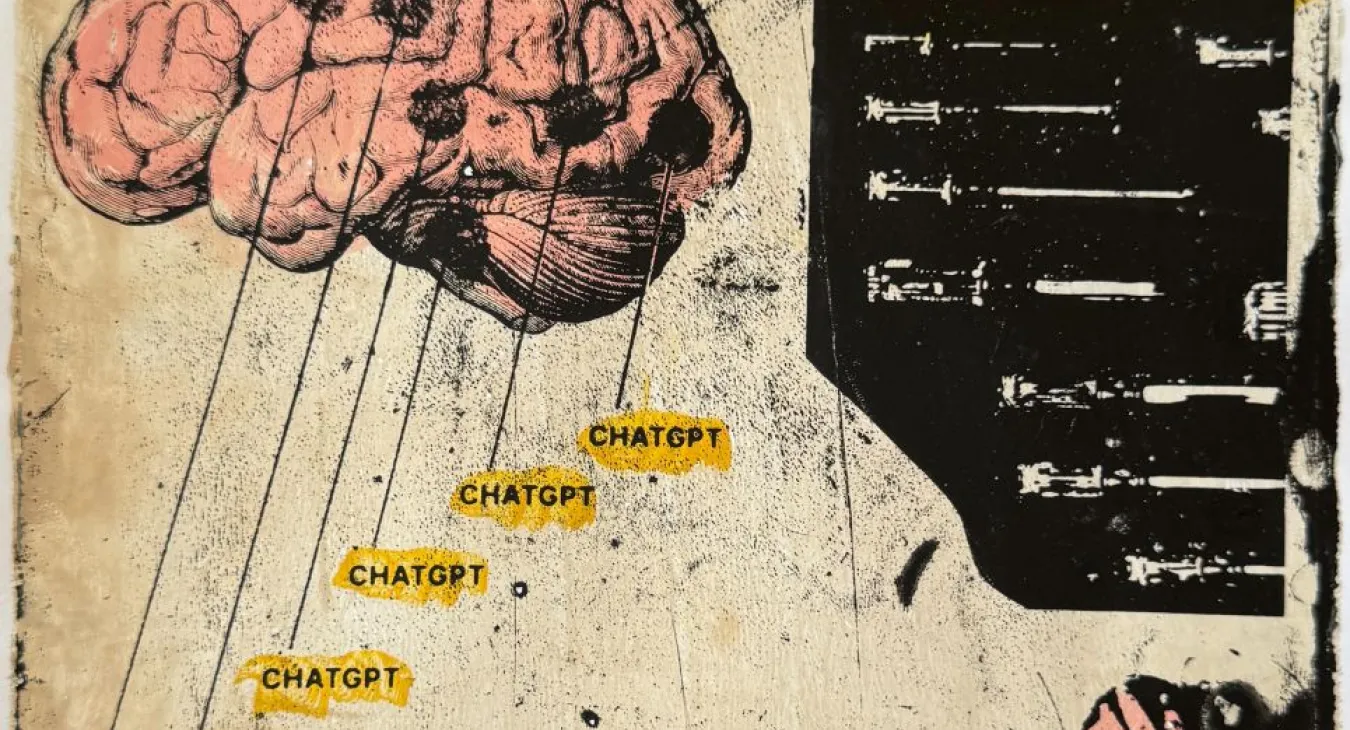
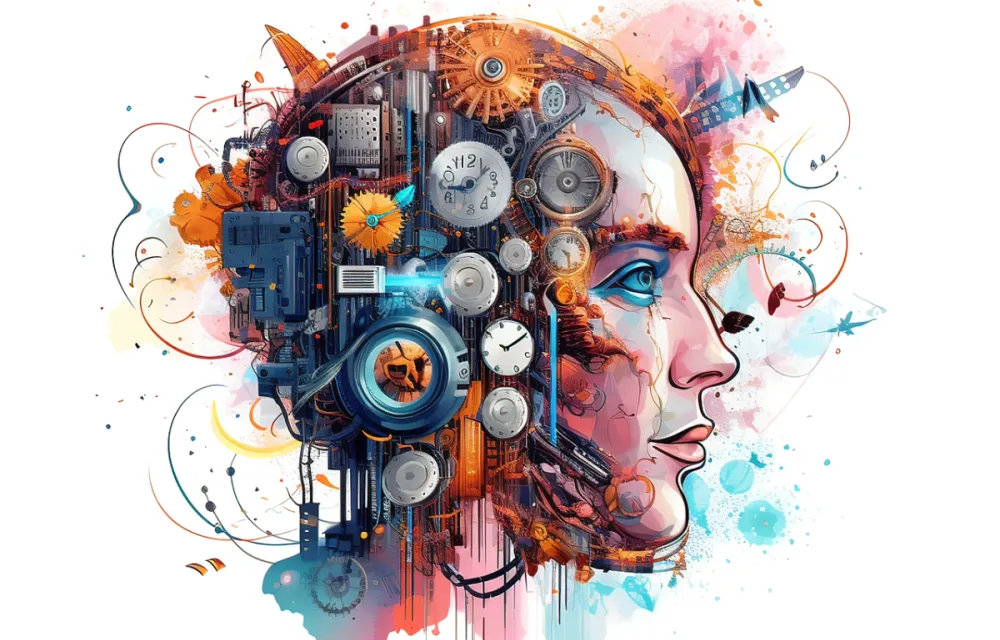
    The impact of Artificial Intelligence (AI) is closely tied to human cognitive abilities – mental processes that determine how we interpret, evaluate, and respond to AI-generated information. Understanding this interplay is essential for designing AI systems that align with human cognition, enhancing user engagement while reducing risks such as automation bias (the tendency to overtrust AI outputs) and cognitive overload (the state in which information exceeds mental capacity). In this article, we introduce the concepts of working memory, cognitive flexibility, and attention and explore how they shape the way we interact with AI. We illustrate how these cognitive functions influence...
    Read more
    • Log in to post comments
  • Human oversight
    Magazine Issue
    08/2026 - SpeciaI issue on artificial intelligence

    Human oversight of AI: An effective remedy for AI risks or a way to induce unwarranted trust in AI?

    • written by
    • Markus Langer,
    • Kevin Baum,
    • Johann Laux
    When AI determines medical treatments or prison sentences, we may find comfort in the idea of a “human touch” in decisions, for instance, in the form of human oversight mandated in AI regulation. But does human oversight add something meaningful or does it merely serve to convince us to trust AI?
    Read more
    • Log in to post comments
  • Digital price tags
    Magazine Issue
    08/2026 - SpeciaI issue on artificial intelligence

    How artificial intelligence in supermarkets influences customer experiences

    • written by
    • Sophia Wingen,
    • Laura Schenk
    A supermarket with prices that can change at any time and fully automated checkouts is no longer fiction but a reality enabled by artificial intelligence. This raises important questions about the consequences for consumers. Besides greater convenience, efficiency, and a personalized shopping experience, AI-driven supermarkets may reduce price and payment transparency and create a less comfortable atmosphere for consumers. This article explores the use of AI in supermarkets from a psychological perspective.
    Read more
    • Log in to post comments
  • AI-generated content may reflect gender stereotypes
    Magazine Issue
    08/2026 - SpeciaI issue on artificial intelligence

    Blaming the biased bot? Gender bias in AI-generated content

    • written by
    • Alexandra Wölfle
    With the growing popularity and increasing capabilities of generative AI, more and more attention is also drawn to AI model biases, in particular, gender biases. But what exactly does bias mean in this context, how should it be addressed, and what role do humans play in all this?
    Read more
    • Log in to post comments
  • Magazine Issue 08/2026 - SpeciaI issue on artificial intelligence

    Understanding the mind-AI connection – how cognitive abilities shape AI use

    written by: Magnus Liebherr, Eva Gößwein
  • Magazine Issue 08/2026 - SpeciaI issue on artificial intelligence

    Human oversight of AI: An effective remedy for AI risks or a way to induce unwarranted trust in AI?

    written by: Markus Langer, Kevin Baum, Johann Laux
  • Magazine Issue 08/2026 - SpeciaI issue on artificial intelligence

    How artificial intelligence in supermarkets influences customer experiences

    written by: Sophia Wingen, Laura Schenk
  • Magazine Issue 08/2026 - SpeciaI issue on artificial intelligence

    Blaming the biased bot? Gender bias in AI-generated content

    written by: Alexandra Wölfle
  • Magazine Issue 04/2026

    Now is the time – A discussion on current sexual misconduct prevention and provider readiness

    written by: Julia L. Lancaster
    Despite many efforts to prevent sexual misconduct, this unwanted behavior persists in private and public spaces. Given the prevalence of sexual misconduct and the likelihood that mental health care providers... more
  • Magazine Issue 04/2026

    Trapped by tranquility: Understanding dependence on benzodiazepines

    written by: Joana Mihani
    Benzodiazepines offer relief from anxiety and insomnia , yet their calming effects can quietly lead to physical and psychological dependence . This piece explores how that reliance develops and why... more
  • Magazine Issue 03/2026

    How do we interpret social situations marked by ambiguity?

    written by: Lisa Vos, Tom Smeets, Jonas Everaert
    Imagine sending a message to a friend, and hours pass without a reply. Did you do something wrong? Are they upset? Or are they simply busy? Every day, we face... more
  • Magazine Issue 03/2026

    Children in front of a screen: what is the impact of technology on their development?

    written by: Marica Notte, Daniela Renzi
    The use of technology, particularly digital devices, is having a negative impact on children’s psychological and physical development. This is largely due to two factors : today’s generations are growing... more
  • Magazine Issue 02/2026

    A spoonful of misinformation helps the medicine go viral. How misinformation spreads and who bears the consequences.

    written by: Lotte Slootmaekers, Sanne Houben, Irena Boskovic
    Back to January 2021: you are at home because of the COVID-19 pandemic and decide to scroll through social media for some much-needed distraction. Within seconds, you come across posts... more
  • Magazine Issue 02/2026

    A step-by-step guide to writing science communication articles

    written by: Maike Ramrath, Stella Wernicke
    Effective science communication bridges the gap between science and society. This guide outlines practical strategies for turning psychological research into engaging, accessible articles, including topic selection, structuring the article, and... more
  • Load More Issues

In-Mind Blog

  • Join the In-Mind team: Help us make psychology accessible to everyone!
    03.03.2026 |

    Join the In-Mind team: Help us make psychology accessible to everyone!

    written by: Stella Wernicke, Jana Dreston
    What is In-Mind? In-Mind is a volunteer-driven project dedicated to sharing psychological research. We give researchers a platform to present their work in an engaging, accessible, and scientifically rigorous way – psychology by scientists, for everyone. Our journal publishes freely available... more
  • 31.01.2026 |

    Politics doesn’t define how most people see themselves

    written by: Jakob Kasper
    The social groups to which we belong shape how we see ourselves, but which groups matter most? We show that political parties and ideology are not the first things that come to mind when people think about themselves. Instead, identities like nationality and age are far more central and may help bridge political divides. more
  • 10.01.2026 |

    Reality check: Call for abstracts for a special issue on clinical psychology and psychotherapy

    written by: Lorenz Grolig, Nathalie Claus
    This special issue Reality Check: What clinical science really tells us about promoting mental health aims to provide brief review articles on current developments in clinical psychology and psychotherapy research, presented in such a way that they are interesting and accessible to a wide readership of non-psychologists. more
  • 05.12.2025 |

    Why Christmas (feels like it) comes faster each year

    written by: Martina Grunenberg
    Christmas is just around the corner, and with it comes that familiar sense that time is speeding up. Do you feel the same way? In this blog post, you’ll learn why this might be the case. more
  • 01.11.2025 |

    Learning interdisciplinarity: The solution to societal challenges?

    written by: Sabrina Krys, Mirjam Braßler
    Anyone who has worked in a team knows the challenges: differing perspectives often clash. However, what happens when it’s not just opinions that diverge, but entire disciplines? How can we learn to think beyond boundaries and what competencies can help us do so? more
  • 01.10.2025 |

    Does emotional labor also exist in sex?

    written by: Tanja Oschatz, Verena Klein
    Emotional labor refers to suppressing or altering one’s own feelings in order to enhance another person’s well-being. But does sex involve emotional labor? more
  • Load more blog posts

Book Reviews

Buried Secrets: Rememberance of Things Past, a Review by Christopher Perez

reviewed by: Christopher Perez

The Coddling of the American Mind, reviewed by Dylan Selterman

reviewed by: Dylan Selterman

My Year of Rest and Relaxation, reviewed by Andrew Archer

reviewed by: Andrew Archer

The Hope Circuit, Reviewed by Joe Smith

reviewed by: Joe Smith

Social Psychology: Revisiting the Classics (2nd Edition)

reviewed by: Richard Skaff

Most Read

  • Magazine Issue 04/2014

    Word of mouth: How our tongue shapes our preferences, and why you should eat popcorn in the cinema

    written by: Sascha Topolinski
  • Magazine Issue 06/2008

    ‘The Vision Thing’

    written by: Alex Haslam, Steve Reicher, Michael Platow
  • Magazine Issue 07/2007

    From Heavens to Hells to Heroes

    written by: Philip Zimbardo
  • Magazine Issue 09/2025

    Social media use towards self-diagnosing and health anxiety

    written by: Lili R. Romann
  • Magazine Issue 11/2020

    How "The Good Place" illustrates an unorthodox theory in moral psychology

    written by: Alan Jern

The Inquisitive Mind Magazine is supported by:

  • DGPs
  • C-SEB

Menu

  • Magazine
  • Blog
  • Book Reviews
  • Submit to In-Mind
  • About In-Mind
  • facebook
  • twitter
  • instagram
  • print
  • RSS Feed

About Us

In-Mind is a voluntary science communication project. We enable scientifically working psychologists to present their research topics in a scientifically sound, understandable and entertaining way for an interested audience: Psychology by scientists for everyone....more

Footer menu

  • Imprint
  • Data Protection
Clear keys input element